Apple Supercharges Security: iOS 27 Introduces Automated Password Remediation

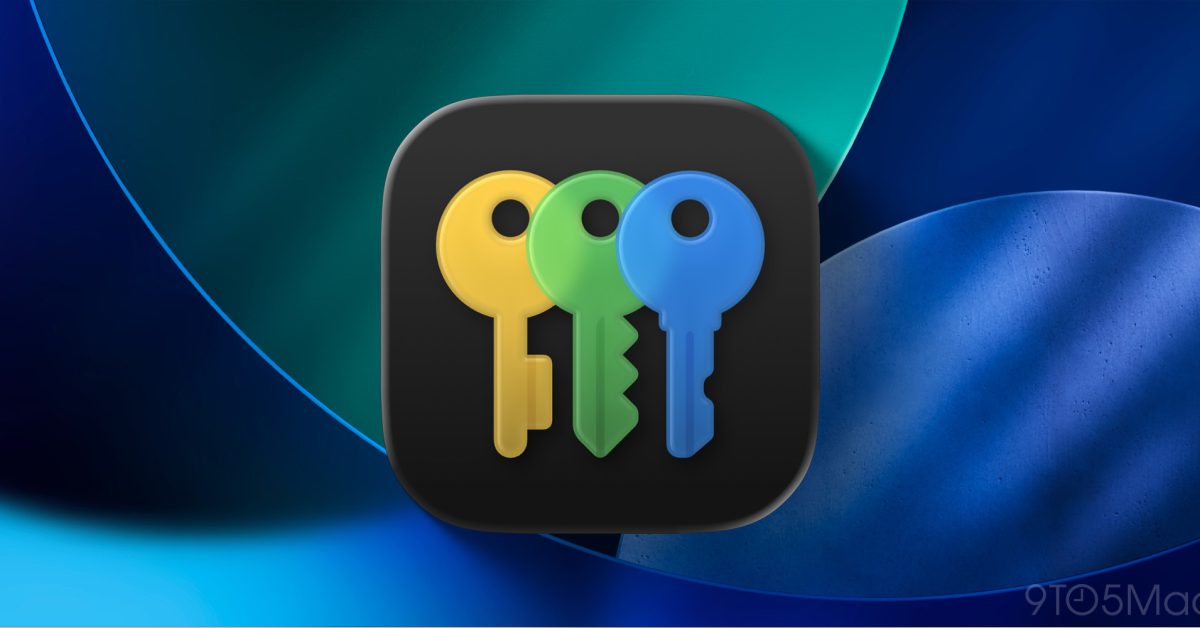
- Apple's iOS 27 introduces agentic AI capabilities to the Passwords app to automatically update compromised credentials.
- The update eliminates the need for manual password resets by intelligently navigating site security updates on behalf of the user.
- The feature arrives as part of the broader iOS 27 rollout, with public availability slated for September 2026.
Revolutionizing Digital Security with Agentic AI
At WWDC 2026, Apple officially unveiled the next evolution of its ecosystem security: iOS 27. While the update includes a myriad of enhancements, the standout feature is undoubtedly the transformative upgrade to the standalone Passwords app. Leveraging advanced agentic AI, the app can now proactively change compromised passwords on behalf of the user, significantly reducing the friction associated with maintaining strong, unique credentials.
Moving Beyond Passive Alerts
Since its inception two years ago, the Apple Passwords app has served as a central repository for login credentials, Wi-Fi keys, and two-factor authentication tokens. Until now, its utility was primarily diagnostic. It would successfully identify if a password had been leaked in a data breach or if a user was recycling weak passwords across multiple platforms. However, the labor-intensive task of navigating to each service provider, generating a new password, and updating the database remained a manual process.
With the integration of new AI agents in iOS 27, this paradigm shifts entirely. Apple’s system can now autonomously communicate with websites and services to perform the “password reset” dance, ensuring your accounts remain fortified without requiring manual intervention for every security alert.
How It Works: Seamless Credential Management
- Proactive Identification: The Passwords app continues to scan your vault against known data breaches and weak security practices.
- Agentic Remediation: When a vulnerability is detected, the AI agent initiates the change process, navigating account security settings to update credentials automatically.
- Zero-Friction Updates: By automating the update cycle, iOS 27 ensures that the “security gap”—the time between a compromise being reported and the user actually changing their password—is reduced to nearly zero.
The Future of the Apple Ecosystem
This update represents a major milestone in Apple’s push toward more autonomous, user-centric AI. By delegating tedious cybersecurity hygiene to the operating system, Apple is making it easier than ever for non-technical users to stay secure in an era of increasing cyber threats.
iOS 27 is currently entering the developer beta phase, with a public beta scheduled for arrival next month. A full, stable release is expected to rollout to compatible iPhones globally this September, bringing a new layer of AI-powered protection to millions of users.