Apple Elevates Digital Safety: New iOS 27 Parental Controls Explained

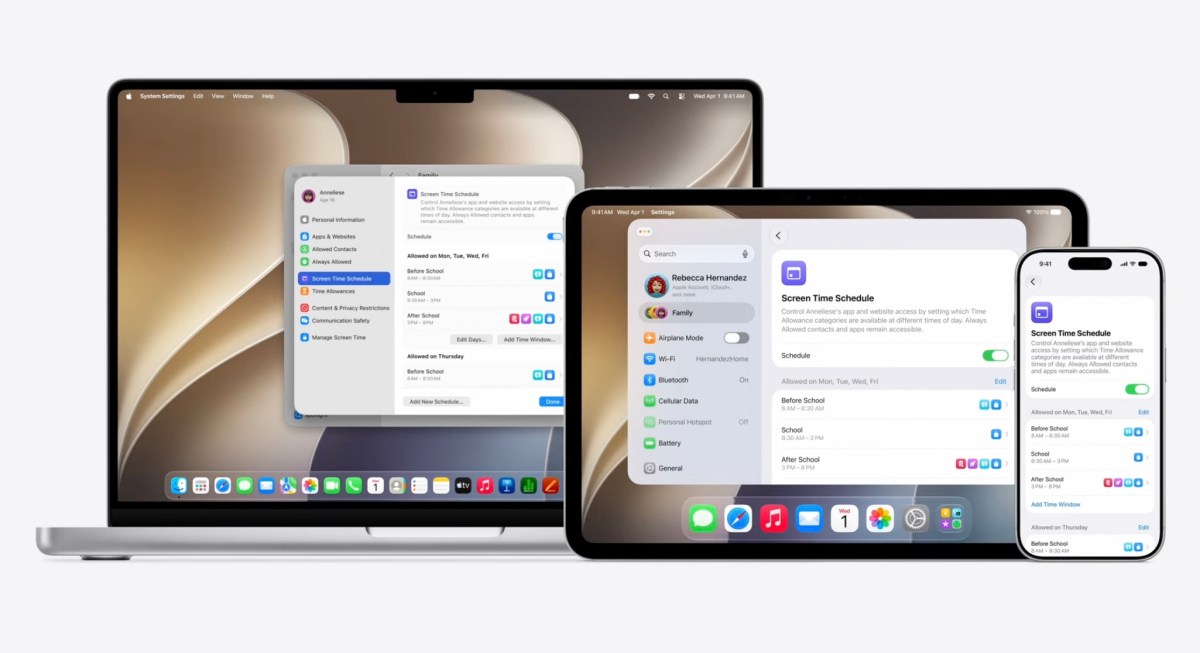
- Granular Control: New tools allow parents to restrict web browsing, manage app accessibility, and screen incoming messages for violent or explicit content.
- Expert-Led Recommendations: iOS 27 introduces age-based screen time suggestions developed in partnership with pediatric experts.
- Developer Integration: New APIs allow third-party developers to embed parental safety features directly into their applications.
Strengthening the Digital Sandbox: Apple’s Enhanced Parental Controls
As the digital landscape becomes increasingly complex for younger users, Apple has responded to growing concerns regarding child safety and mental health. At the latest Worldwide Developers Conference (WWDC), the company unveiled a robust suite of parental control features arriving with iOS 27, signaling a strategic shift toward giving parents granular authority over their children’s digital experiences.
Redefining Screen Time and App Access
Apple’s revamped Screen Time architecture is no longer just about setting time limits. The new updates offer a comprehensive management system that allows parents to curate a “digital environment” tailored to a child’s specific developmental stage. By consulting with experts, including the American Academy of Pediatrics, Apple has introduced data-driven recommendations that suggest screen time limits based on age and app categories.
Key Features for Enhanced Oversight
- Granular App Management: Parents can now hand-pick approved applications during the device setup process, ensuring children only interact with age-appropriate tools.
- The “Ask to Browse” Feature: Addressing a common workaround where children used web browsers to access restricted social media platforms, this new feature mandates parental approval for web navigation across iPhone, iPad, and Mac.
- Advanced Communication Filtering: Building on existing nudity-detection tools, Apple has expanded its safeguards to block incoming text messages containing gore or violence, providing an extra layer of protection against distressing content.
- Contact Control: Parents now retain the final say on who their child adds to their contact list, mitigating risks associated with unsolicited interactions.
Developmental Safety Through Default Settings
For children under 13, Apple is implementing stricter default configurations. Features like “Ask to Buy” and “Ask to Browse” will be active by default, ensuring that the burden of safety doesn’t fall solely on parents to find deep-menu settings. This “secure by design” approach is a significant step forward in protecting tweens as they transition into more active device usage.
Empowering Developers for a Safer Ecosystem
Apple isn’t keeping these tools to themselves. The company is introducing a new suite of APIs for third-party app developers. This allows creators to integrate parental oversight directly into their apps—such as requiring contact approval or implementing age-gate checks—ensuring that the safety ecosystem extends beyond first-party applications.
As we anticipate the release of iOS 27 this fall, these features represent a critical evolution in how major tech firms handle digital parenting. By moving away from restrictive “all-or-nothing” controls toward a more nuanced, flexible approach, Apple is setting a new industry standard for child safety in the smartphone era.