Solar Energy Supremacy: The AI-Driven Paradox Fueling Fossil Fuel Persistence

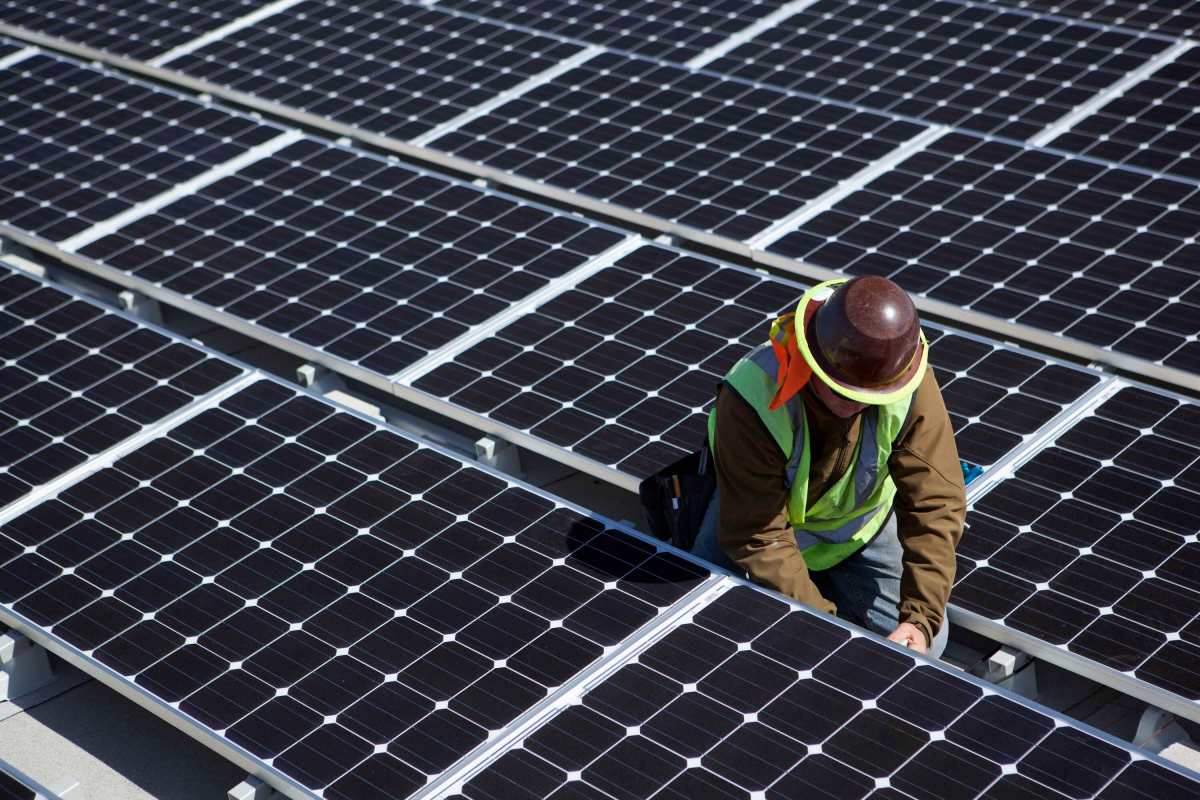
- Solar energy is projected to become the world's leading power source by 2035 due to rapidly declining costs.
- The surge in AI data center development is creating a massive baseload power demand that currently relies on coal and natural gas for 24/7 reliability.
- Emerging technologies such as long-duration batteries, geothermal, and nuclear power are critical to transitioning data centers away from fossil fuels.
The Great Shift: Solar Power Poised for Global Dominance
By 2035, the global energy landscape is set to undergo a tectonic shift. According to a landmark report from BloombergNEF, solar power is on a trajectory to become the world’s primary energy source, effectively eclipsing coal, oil, and natural gas. This transition is not merely the result of climate policy, but of raw economics; the plummeting cost of photovoltaic technology has made solar the most affordable and scalable option for nations worldwide.
Matthias Kimmel, head of energy economics at BloombergNEF, notes that solar is “winning the race” due to its unprecedented price drops—a trend expected to continue with a further 30% reduction in costs by 2035. Driven by China’s aggressive industrial scaling and consistent manufacturing efficiencies, solar power has become an irresistible market force.
The AI Data Center Paradox
While the transition to renewable energy accelerates, a significant bottleneck looms: the insatiable energy demands of the Artificial Intelligence boom. As tech giants scramble to build massive, power-hungry data centers, they are inadvertently tethering the energy grid to fossil fuels.
The core challenge is reliability. Unlike solar, which is intermittent, AI data centers require 24/7 uptime. BloombergNEF projections suggest that to meet this constant demand, data centers will necessitate an additional 370 gigawatts of natural gas and 110 gigawatts of coal generation by 2050. Consequently, fossil fuels are expected to provide over 50% of the incremental energy generation for these facilities for decades to come.
Emerging Alternatives to the Fossil Fuel Trap
The reliance on coal and gas for data centers is not set in stone. The tech sector is actively exploring several high-potential alternatives to ensure clean, consistent power:
- Long-Duration Energy Storage (LDES): Companies like Form Energy are deploying 100-hour battery systems to bridge the gap during solar lulls.
- Geothermal Energy: With advancements in drilling and infrastructure, geothermal provides the stable baseload power that AI systems demand.
- Nuclear Power: Modular and advanced nuclear reactor designs are gaining traction as high-density, carbon-free energy sources for enterprise-grade data infrastructure.
The Future of Grid-Scale Storage
As solar markets in regions like Spain and Italy face price saturation—where daytime surpluses reduce profitability—the industry is pivoting toward hybrid renewable plants. By pairing solar with grid-scale batteries, developers can capture energy during peak sunlight and release it during high-demand evening hours. With battery installations expected to triple by 2035, this storage revolution will be the final piece in the puzzle, potentially decoupling the AI industry from its current fossil fuel dependency.