The Googlebook Era: Everything You Need to Know About the ChromeOS Successor

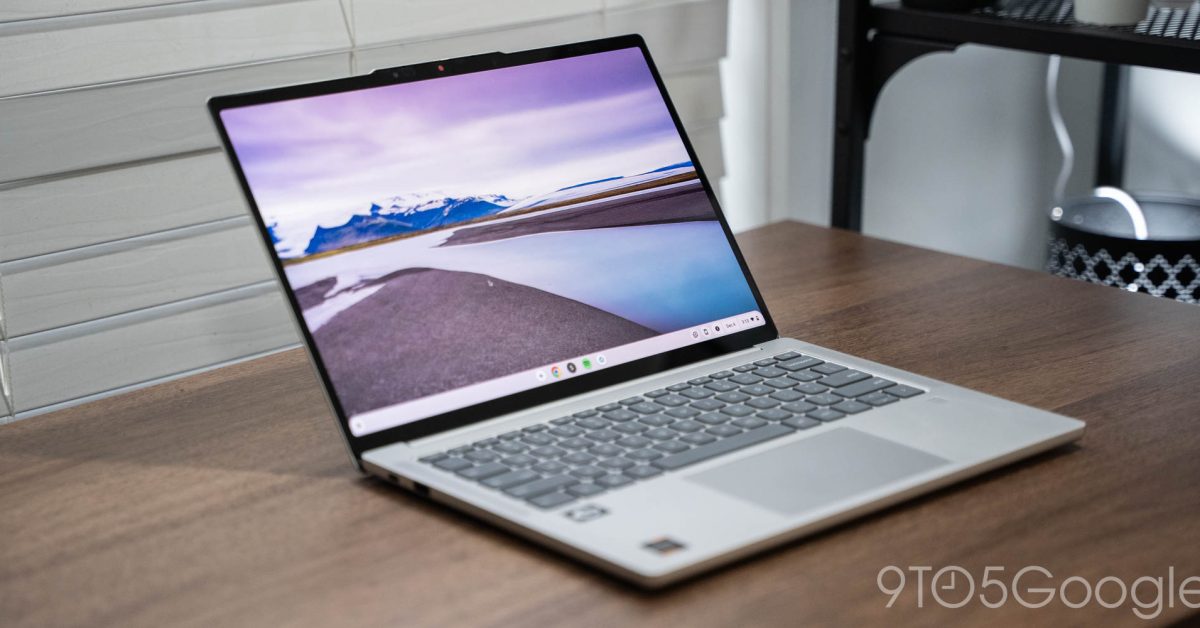
- Google has announced the 'Googlebook' project, an Android-based platform designed to succeed ChromeOS with a focus on premium hardware.
- Existing Chromebooks will remain supported through their lifecycle, with many models eligible to transition to the new OS upon its Fall 2026 launch.
- The new platform will support diverse chipsets including Intel, Qualcomm, and MediaTek, while introducing a modernized interface that rethinks traditional ChromeOS workflows.
A Paradigm Shift for ChromeOS
Google has officially unveiled its ambitious “Googlebook” project, signaling a strategic pivot that promises to reshape the landscape of laptop computing. During the recent ‘Android Show,’ company leadership confirmed that this new platform is set to replace the traditional Chromebook experience, marking a major evolution for Google’s desktop strategy. While the transition brings a wave of uncertainty for existing users, Google is positioning the project as a premium, forward-thinking ecosystem.
Will Your Current Chromebook Make the Cut?
One of the most pressing concerns for current users is hardware longevity. Google has moved to reassure the market by confirming that existing Chromebooks will continue to receive support throughout their stated lifecycle. More importantly, the company noted that “many” current devices will be eligible to migrate to the new Googlebook experience once it launches in late 2026.
However, users should be prepared for a shift in software dynamics. John Maletis, Google’s VP in charge of the platform, hinted that the transition won’t be a one-to-one port of ChromeOS. While the company is retaining core strengths, it is also “rethinking” the interface. This means some legacy features may be deprecated, redesigned, or replaced to align with the new Android-based framework.
Premium Hardware and the Path Forward
The “Googlebook” initiative is explicitly targeting the premium segment. Unlike the budget-friendly origins of the original Chromebooks, these new machines are being engineered to compete with high-end desktop hardware.
- Diverse Silicon: Google confirmed support for a wide array of chipsets, including Intel (maintaining x86 compatibility), Qualcomm’s high-performance Snapdragon X series, and MediaTek.
- Design Philosophy: Early partner hardware is described as “super premium,” focusing on aesthetics and high-performance builds.
- The Partner Ecosystem: Initial launch partners include industry giants like Dell and Lenovo. While Samsung’s absence from the initial launch list sparked rumors, Google clarified that the list simply represents those ready for the Fall 2026 rollout.
What to Expect from the User Experience
While an official name for the new OS remains elusive, it is clear that the platform will lean heavily into an Android-based architecture. Early testing suggests a desktop interface that feels familiar yet modernized, drawing inspiration from how Android behaves when connected to external displays today. As we move closer to the 2026 launch window, the tech community remains on high alert for further details on whether Google intends to release first-party hardware to serve as the project’s flagship.