Google’s ‘AluminiumOS’ Leak Reveals Android’s Desktop Future for ‘Googlebook’

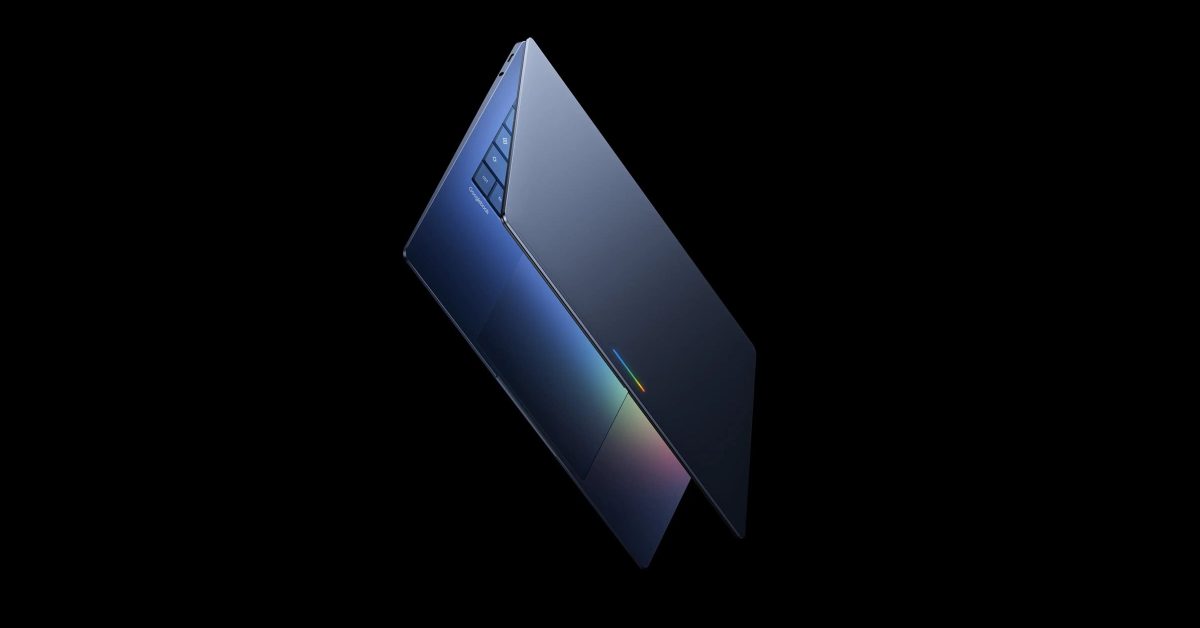
- A leak reveals 'AluminiumOS,' an Android 17-based desktop operating system built for Google's upcoming 'Googlebook' hardware.
- The platform features native desktop support, including folder management, terminal access, and virtual desktops to support complex workflows.
- While the build is in early development, it hints at a future convergence where Android replaces ChromeOS to offer a more unified, high-performance computing experience.
A New Desktop Paradigm: Android 17 Reimagined
The landscape of mobile and desktop computing is on the verge of a major shift. Recent leaks from the enthusiast community have provided a first, in-depth look at AluminiumOS, the specialized Android-based desktop operating system reportedly destined for Google’s upcoming ‘Googlebook’ laptop line. Based on the architecture of Android 17, this platform represents a significant evolution in how Google intends to bridge the gap between its mobile ecosystem and traditional productivity hardware.
Hands-On with AluminiumOS: Features and Functionality
A recent 16-minute demonstration, conducted via a virtual machine on a MacBook Pro, sheds light on what users can expect from this hybrid environment. While the build is clearly in its early development stages, the core user interface borrows heavily from both the familiar Android mobile environment and the long-standing ChromeOS design language.
Key Features Spotted:
- Desktop Management: Unlike the mobile-first approach of standard Android, this OS allows for desktop icons and directory management. Users can right-click to create new folders, bringing the experience closer to macOS and Windows standards.
- Virtual Desktops: To boost productivity, the OS supports multiple virtual canvases, allowing users to separate their workflows—a staple for power users.
- Terminal and Developer Access: The inclusion of a terminal suggests that Google intends for this machine to be a viable tool for developers, moving beyond the simple ‘app-only’ limitation of tablets.
- Cross-Platform Integration: Interestingly, the leak revealed a ‘Link to iOS’ application, hinting at a potential strategy to draw in users from competing ecosystems.
- System Controls: The interface includes familiar Android Quick Settings and notification panels, coupled with refined touchpad gestures specifically optimized for laptop hardware.
The Strategic Pivot: Android vs. ChromeOS
For years, Google has maintained a bifurcated system: Android for touch-centric devices and ChromeOS for web-based productivity. The ‘Googlebook’ project seems to indicate a move toward convergence. By building a desktop-ready environment on top of Android 17, Google could potentially unify its app ecosystem while finally offering a true, robust multitasking environment that feels native to hardware keyboards and trackpads.
While the task manager in the current leaked build showed instability, it is important to remember that Google has officially stated this project is not slated for an imminent release. The development cycle for Android 17 is still maturing, and the UI/UX components observed today are likely placeholders for a much more refined final product.
What This Means for the Future
If Google succeeds, the ‘Googlebook’ could become a formidable challenger in the mid-range laptop market. By leveraging the vast Android app library while providing a desktop-class file management system and terminal access, Google is positioning itself to capture users who want the portability of a tablet with the raw functionality of a traditional PC. As we track further developments, it is clear that Android is shedding its purely mobile skin to become a formidable competitor in the professional laptop space.