The Evolution of Foldables: Everything We Know About the Upcoming iPhone Ultra

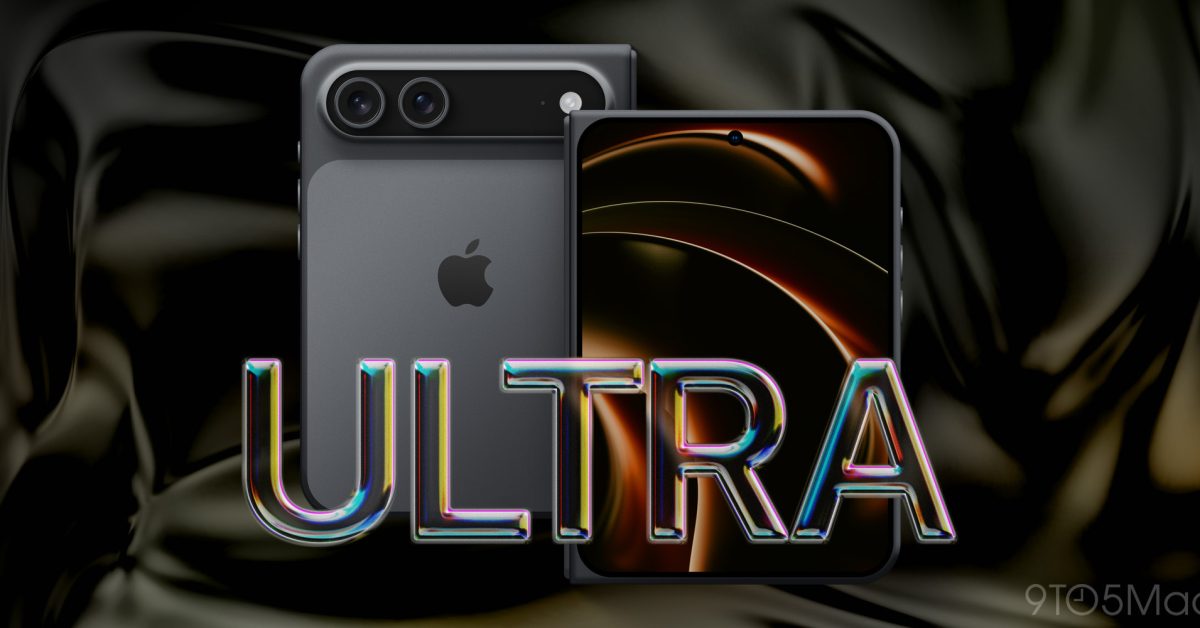
- The iPhone Ultra will feature a groundbreaking book-style foldable design with a titanium frame and a completely crease-free inner display.
- Under the hood, the device will debut the 2nm A20 Pro chip and Apple’s custom C2 5G cellular modem for enhanced efficiency.
- Authentication will transition from Face ID to a power-button-integrated Touch ID, while the software will support iPad-like multitasking features via iOS 27.
Revolutionizing the Apple Ecosystem: The iPhone Ultra
As Apple prepares for a significant shift in its mobile hardware strategy, the tech world is buzzing about the upcoming release of the iPhone Ultra. Expected to launch this fall, Apple’s first foldable device marks a bold departure from traditional form factors. By bridging the gap between an iPhone and an iPad mini, Apple aims to redefine the high-end smartphone market with a device that prioritizes both portability and expansive screen real estate.
Design Philosophy: Thin, Titanium, and Crease-Free
The iPhone Ultra represents a major engineering milestone for Cupertino. Abandoning the vertical fold seen in many competitors, the device utilizes a book-style hinge. Rumors suggest an ultra-thin titanium chassis that evokes the design language of the iPhone Air, while achieving the industry-elusive goal of a completely crease-free inner display. The device will reportedly be available exclusively in black and white, leaning into a minimalist, premium aesthetic.
Dual-Display Capabilities
The screen setup is designed for versatility:
- Outer Display: A compact 5.3 to 5.5-inch panel, offering a wider aspect ratio than current standard models.
- Inner Display: A sprawling 7.6 to 7.8-inch display, providing an experience comparable to holding a pocket-sized iPad mini.
Performance and Power Under the Hood
Internally, the iPhone Ultra is expected to push hardware boundaries. It will likely debut the A20 Pro chip, manufactured on a cutting-edge 2-nanometer process. This silicon, paired with 12GB of LPDDR5 RAM, promises a massive leap in power efficiency. Furthermore, the Ultra will serve as the testing ground for Apple’s in-house C2 cellular modem, effectively ending the company’s reliance on Qualcomm’s 5G technology.
Software and Security Shifts
While the iPhone Ultra will run on iOS 27, it will feature exclusive multitasking optimizations, including side-by-side app configurations reminiscent of iPadOS. Interestingly, space constraints within the ultra-thin frame mean the device will drop Face ID in favor of a power-button-integrated Touch ID sensor, marking a nostalgic yet practical return for biometrics on the iPhone.
Professional-Grade Camera System
Photography enthusiasts will find a dual-lens setup on the rear: a 48MP main sensor and a 48MP ultra-wide lens. Additionally, the device features two 18MP front-facing cameras—one for each screen—ensuring that Apple’s ‘Center Stage’ video calling functionality remains consistent whether the device is folded or open.
While industry analysts anticipate a premium price tag starting around $1,999, the iPhone Ultra is poised to be more than just a smartphone; it is a statement piece for power users looking to consolidate their mobile and tablet workflows into a single, high-performance device.