Apple Defies Market Slump: iPhone 17 Dominance Fuels Q1 Growth

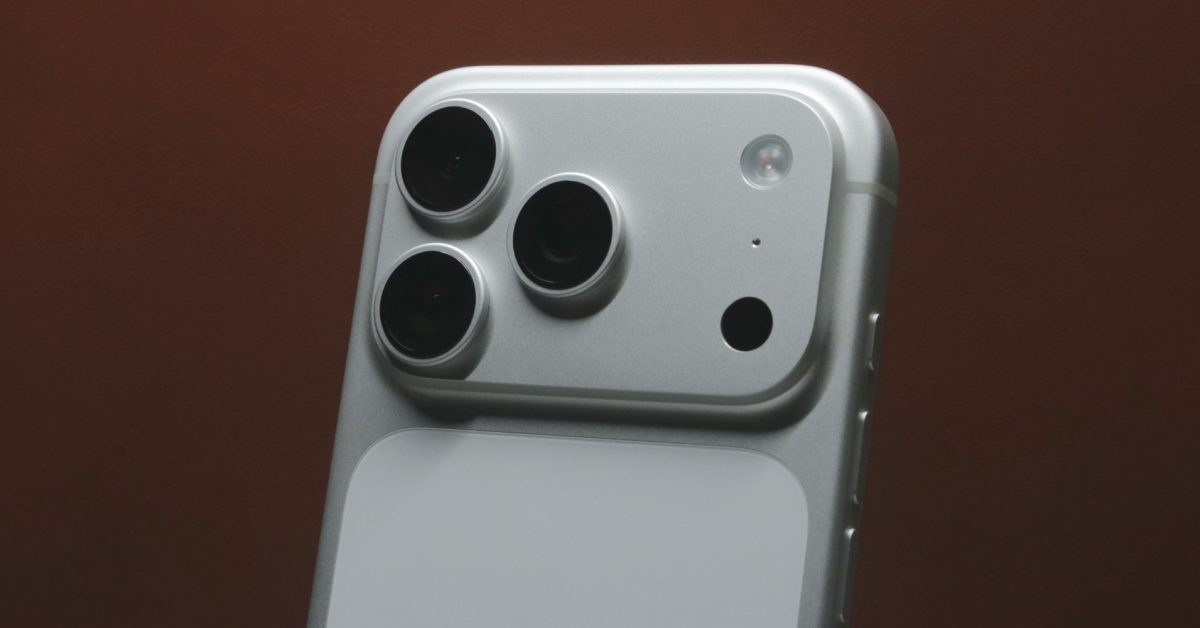
- Apple achieved a 1.3% YoY growth in U.S. iPhone sales in Q1 2026, defying a 5.7% decline in the overall smartphone market.
- A delayed Galaxy S26 launch by Samsung allowed Apple to capture a larger share of the premium market, reaching 75% at major U.S. carriers.
- Apple maintained price stability for the iPhone 17 while increasing base storage, effectively outmaneuvering competitors grappling with rising hardware costs.
Apple Bucks the Trend: A Strong Start to 2026
While the broader United States smartphone market faces a significant contraction, Apple has managed to pivot against the tide. According to the latest data from Counterpoint Research, Apple recorded a 1.3% year-over-year growth in U.S. iPhone sales during the first quarter of 2026. This performance is particularly impressive when viewed against the backdrop of a 5.7% decline in the total domestic smartphone market.
Strategic Advantages and Market Vacuums
Apple’s Q1 success can be attributed to a confluence of factors, ranging from product demand to strategic timing. The primary driver was the consistent, strong performance of the base iPhone 17. Simultaneously, Apple benefited significantly from a shift in the competitive landscape: Samsung’s delay of its Galaxy S26 series.
Historically, Samsung releases its flagship devices in the early months of the year. However, the 2026 delay until mid-March created a temporary vacuum in the premium smartphone segment. Apple capitalized on this window, further consolidating its lead at major carriers. The report highlights that the iPhone accounted for 75% of smartphone sales at the Big 3 U.S. carriers in Q1 2026, an increase from 72% in the previous year. Notably, Verizon saw the most significant shift, with Apple’s market share reaching 77% within that carrier’s ecosystem.
Pricing Strategy vs. Rising Costs
Beyond market timing, Apple’s aggressive value proposition played a critical role in its Q1 victory. In an industry environment plagued by rising memory costs, many Android OEMs opted to raise retail prices. Apple, however, took a different approach:
- Stable Pricing: Apple maintained consistent pricing for the iPhone 17 series compared to previous generations.
- Enhanced Value: The entry-level storage capacity was bumped to 256GB, providing significantly more value to the consumer without an accompanying price hike.
- Promotional Power: Apple outpaced competitors in the Smartphone Promotional Index scores for devices priced $600 and above.
The Road Ahead for Android OEMs
The data suggests that Apple’s ability to navigate inflationary pressures while maintaining strong promotional support in the postpaid channel has set a high bar for competitors. As long as Apple avoids significant price jumps and maintains its current momentum, other manufacturers will find it increasingly difficult to reclaim lost ground. For the remainder of 2026, the focus will be on whether Android OEMs can adjust their pricing and product strategies to challenge Apple’s entrenched premium market dominance.