The Quest for the ‘Glass Slab’: Will the iPhone 20 Feature a Risky Bezel-Free Display?

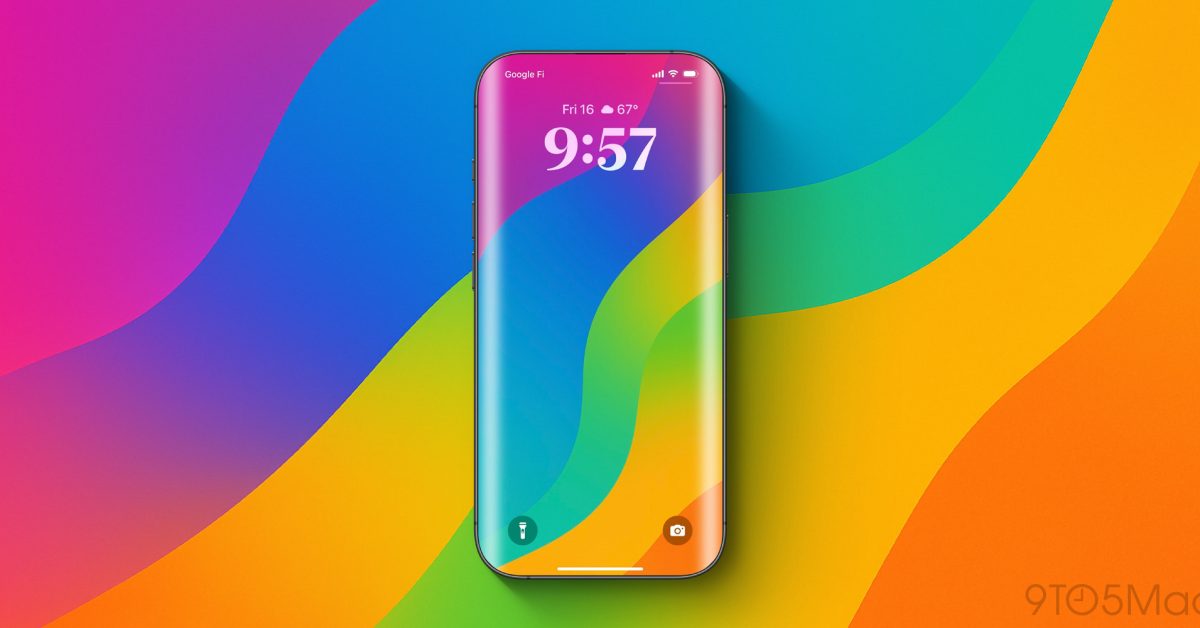
- Reports from the supply chain suggest the iPhone 20 will feature a 'four-sided bending' display to achieve a bezel-free look.
- Current display technology using magnesium-silver alloys poses potential risks of screen distortion and reduced brightness at the edges.
- Apple is reportedly planning a two-phase rollout, with a refined, higher-quality version of the display expected to arrive by 2028.
Chasing the Infinity Screen
As Apple approaches the two-decade milestone of its iconic smartphone, rumors surrounding the “iPhone 20” have begun to crystallize. The tech giant’s long-standing ambition—to create a device that resembles a single, seamless slab of glass—appears closer than ever. However, recent supply chain reports from South Korea suggest that the journey toward a truly bezel-free display may be fraught with engineering hurdles.
The Technical Challenge: Four-Sided Bending
According to industry reports from ETNews, both Samsung and LG are preparing to supply panels for the upcoming iPhone 20. The primary design focus is a “four-sided bending” technology, which allows the display to curve around all edges, effectively eliminating the visible bezel. While this offers an immersive aesthetic, it introduces significant material science complexities.
Current display architecture utilizes a cathode layer composed of a magnesium-silver (Mg-Ag) alloy. Technical analysis indicates that when this specific material is subjected to the structural stress of four-sided bending, it poses a risk of image distortion. Furthermore, these bends can lead to a localized decrease in luminosity, potentially impacting the display’s overall uniformity and brightness.
Iterative Engineering: 2027 vs. 2028
The manufacturing discourse highlights a clear roadmap for Apple’s display evolution:
- The 2027 Launch: The initial iteration of the four-sided bending display may require a technological compromise, potentially manifesting in the screen distortion issues highlighted by supply chain sources.
- The 2028 Refinement: Apple reportedly intends to replace the current magnesium-silver cathode with Indium Zinc Oxide (IZO). This transparent electrode implementation is expected to solve both the distortion and the luminosity drop-off, providing a more mature iteration of the bezel-free design.
Is the iPhone 20 Worth the Risk?
The core question for consumers remains: Will Apple release a product that falls short of its own rigid quality standards? While the idea of a “20th anniversary” special edition is enticing, history suggests Apple is rarely willing to compromise on screen quality for the sake of a feature launch. While these reports provide a fascinating look into the future of display technology, they should be viewed with cautious skepticism. As the release date draws nearer, we expect more concrete data regarding whether this early-generation panel will reach the mass market or remain in the testing phase until the technology matures.
Whether this design debuts as a standalone anniversary model or is integrated into the Pro and Pro Max lineup, one thing is clear: the push toward a fully fluid, glass-encased device remains the next great frontier for the iPhone ecosystem.