Closing the Connectivity Gap: The Historic Alliance of AT&T, Verizon, and T-Mobile to End Dead Zones

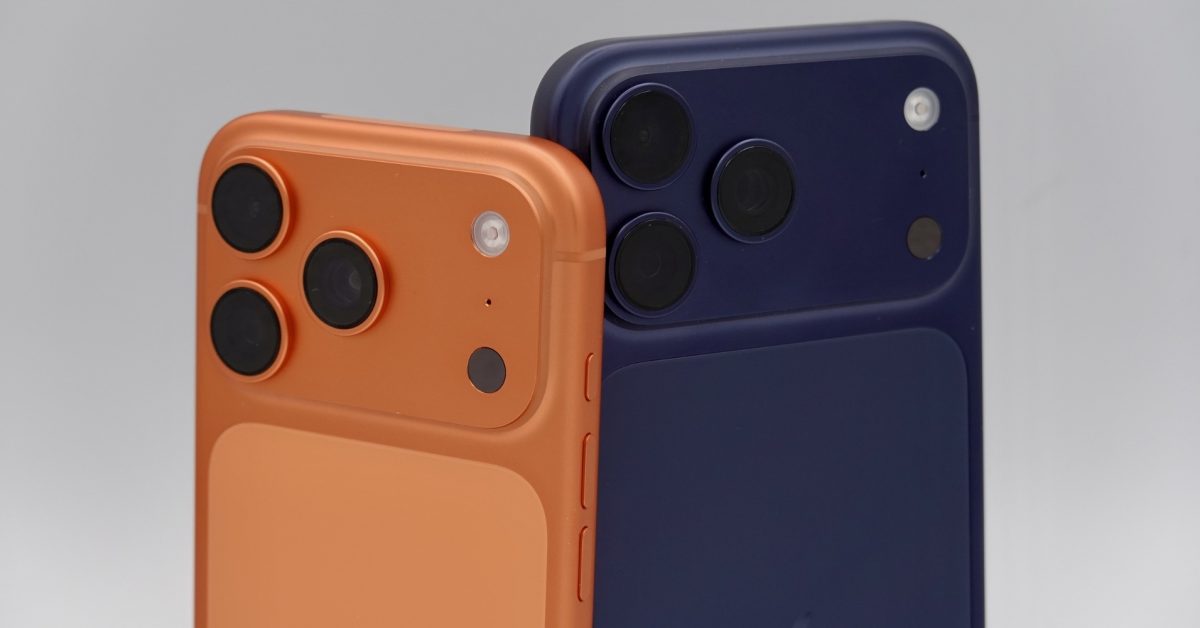
- AT&T, Verizon, and T-Mobile are forming a joint venture to utilize satellite technology to eliminate mobile coverage dead zones nationwide.
- The initiative focuses on creating unified industry specifications to improve direct-to-device (D2D) communication in rural and underserved areas.
- The partnership is currently in the negotiation phase and will operate alongside existing carrier-satellite agreements, such as those with SpaceX/Starlink.
Revolutionizing Mobile Connectivity: A Unified Satellite Front
For decades, the mobile telecommunications industry has been defined by fierce competition and proprietary infrastructure. However, a seismic shift is on the horizon as the United States’ three largest wireless carriers—AT&T, Verizon, and T-Mobile—have announced a strategic joint venture aimed at a singular goal: the eradication of cellular dead zones.
This unprecedented collaboration seeks to leverage satellite-based direct-to-device (D2D) communications technology to ensure that mobile coverage is truly ubiquitous. By pooling resources and expertise, these industry giants intend to bridge the digital divide, providing reliable connectivity to rural and underserved regions that have historically been overlooked by traditional terrestrial infrastructure.
The Technology Behind the Vision
The core of this initiative focuses on harmonizing intellectual property and terrestrial spectrum usage. By creating unified industry specifications, the joint venture aims to streamline the interaction between mobile handsets and satellite networks. This would theoretically allow for a more seamless handover between ground-based cell towers and orbiting satellites, ensuring that iPhone users—and those on other platforms—remain connected even in the most remote geographical locations.
The joint venture’s primary objectives include:
- Accelerating D2D Adoption: Utilizing satellite technology to provide a foundational layer of coverage where ground towers cannot reach.
- Creating Industry Standards: Establishing common protocols to ensure compatibility across different satellite operators and hardware.
- Enhanced Consumer Access: Providing rural populations with the same high-speed communication capabilities enjoyed by metropolitan users.
What This Means for the Future of Telecommunications
While the prospect of ‘zero dead zones’ is enticing, the initiative is still in its nascent stages. The companies have explicitly stated that the formation of the joint venture remains subject to the negotiation of definitive agreements and the satisfaction of customary regulatory closing conditions. Despite the ambitious nature of the project, industry experts suggest that this alliance could set a new benchmark for how telecommunications companies handle infrastructure-heavy challenges.
It is important to note that this collaboration is intended to exist alongside existing satellite agreements. Current partnerships, such as the relationship between T-Mobile and SpaceX for Starlink-powered satellite connectivity, will remain unaffected. Furthermore, the recent FCC approval regarding the $40 billion EchoStar spectrum acquisition by AT&T and SpaceX underscores the shifting landscape of spectrum management, which will likely serve as a backbone for this new joint effort.
As this venture moves forward, it promises to redefine mobile expectations, ensuring that your iPhone remains a reliable communication tool regardless of your proximity to the nearest cell tower.