The iPhone Ultra Dilemma: Is Apple’s Foldable Vision Worth the Compromise?

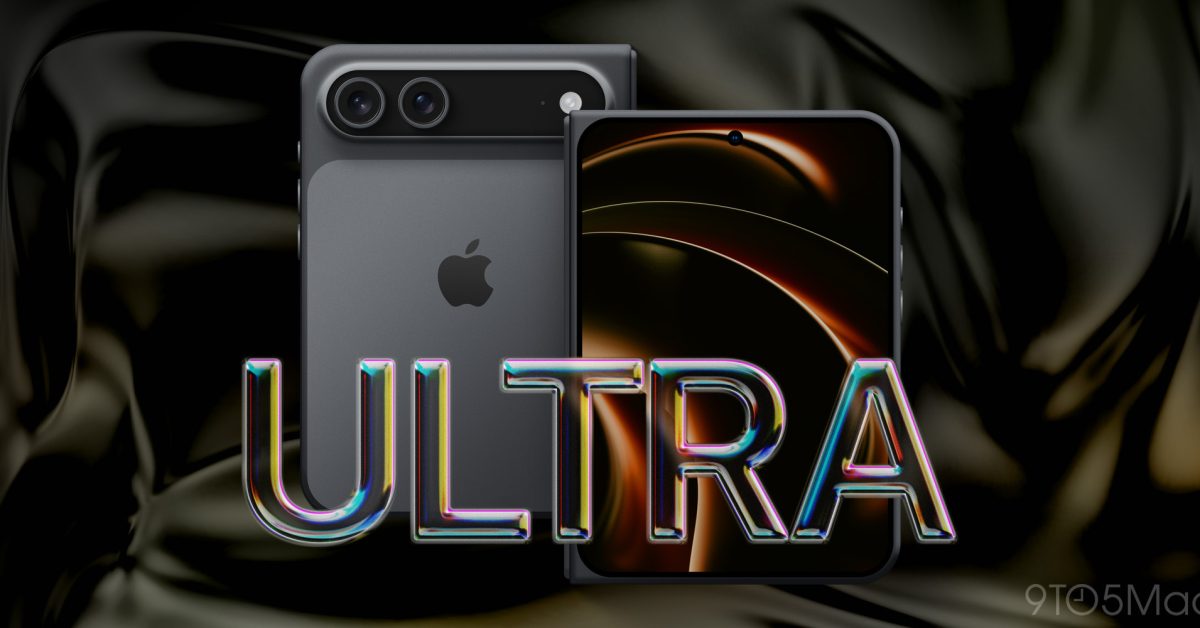
- The iPhone Ultra introduces a radical foldable form factor that departs from the traditional iPhone design, prioritizing tablet-like functionality.
- Potential trade-offs include the omission of key features like the Telephoto camera and Face ID, alongside concerns regarding thermal management.
- The ultimate success of the device depends on whether Apple's software integration offers a true 'iPad-like' experience or merely a scaled-up version of standard iOS.
Is the iPhone Ultra a Revolutionary Leap or a Risky Deviation?
As we approach the anticipated release of the iPhone Ultra, the tech community is buzzing with speculation. While rumors have solidified the expectations surrounding Apple’s first foray into the foldable smartphone market, a critical question remains for power users and long-time Apple enthusiasts: Does the hardware’s unique form factor justify the inevitable compromises?
The Design Shift: Breaking the iPhone Mold
The iPhone Ultra represents the most significant departure from the standard design language since the product line’s inception. Leaked schematics suggest a device featuring an outer display that is significantly shorter and wider than the current flagship standard, while the inner display aims to provide a tablet-like, iPad-esque experience. While this offers immense potential for multitasking, it begs the question of whether users are prepared to sacrifice the ergonomics of the traditional iPhone for this new, experimental geometry.
The Performance and Feature Trade-offs
Innovation often comes at a cost, and early reports suggest the iPhone Ultra may be no exception. Unlike the high-spec consistency seen in the Pro series, the Ultra is rumored to face several hurdles:
- Camera Hardware: Reports indicate the potential absence of a dedicated Telephoto lens, a staple for current Pro users.
- Biometric Security: There is speculation regarding the absence of Face ID in its current form, shifting the security paradigm for this model.
- Thermal Management: Despite a premium titanium build, the reported lack of an advanced vapor chamber cooling system raises concerns about sustained performance under heavy workloads, particularly compared to the refined thermal efficiency of the iPhone 18 Pro.
Software Integration: The Final Frontier
Beyond the physical chassis, the software experience remains the biggest wildcard. The fundamental challenge for Apple is determining how iOS will scale for this foldable display. Will users receive a fully optimized, iPad-like OS capable of pro-level productivity, or a stretched version of standard iOS with superficial tweaks? For many, the answer to this question will be the deciding factor in their upgrade path.
Conclusion: Tradition vs. Innovation
There is no denying the excitement surrounding a foldable iPhone. However, the beloved, tried-and-true design of the existing iPhone remains a difficult bar to clear. For those who prioritize camera prowess and consistent thermal performance, the standard Pro models currently offer a safer, more reliable ecosystem. Whether the iPhone Ultra becomes a must-have tool or remains a niche experiment will depend entirely on how Apple balances these trade-offs once the device hits the market this September.