Court Targets Craig Federighi in xAI Antitrust Battle as Tim Cook Avoids Custodian Designation

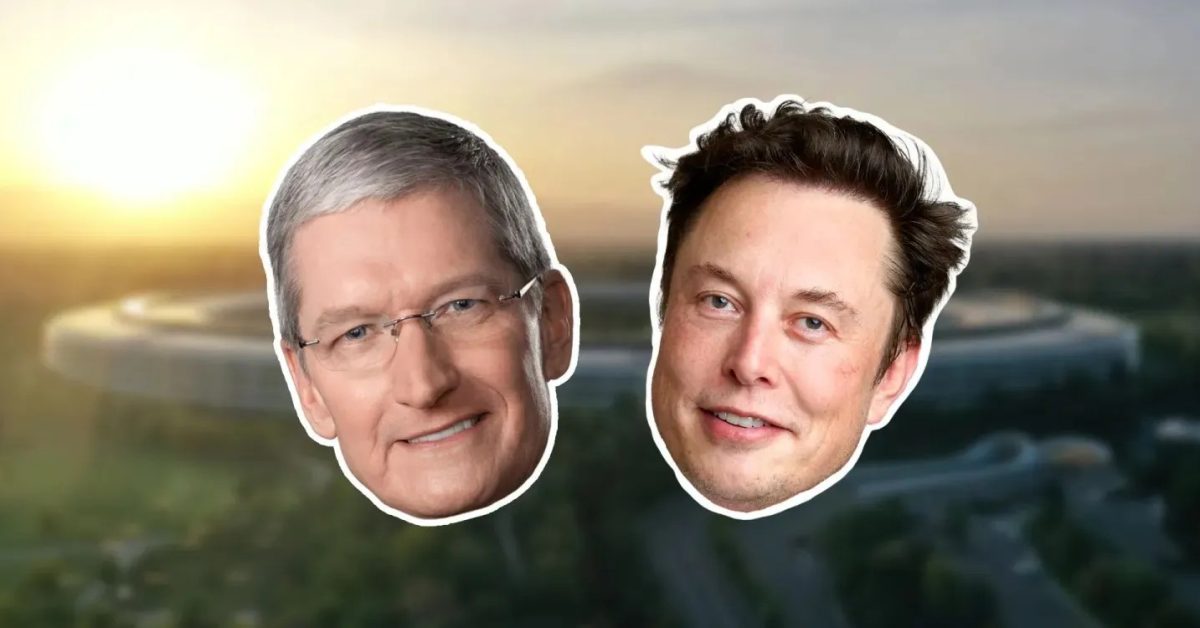
- A U.S. court has designated Craig Federighi as a key document custodian in xAI’s antitrust suit, while dismissing the request to include CEO Tim Cook.
- Apple must produce relevant internal documents regarding its OpenAI integration and Google partnership by June 17, 2026.
- The court simultaneously compelled Elon Musk to surrender extensive private and corporate communications from his various ventures, including Tesla and SpaceX, by June 3, 2026.
Legal Discovery Expands in High-Stakes xAI vs. Apple/OpenAI Litigation
The ongoing antitrust legal battle between Elon Musk’s xAI and the powerhouse duo of Apple and OpenAI has reached a new discovery milestone. A U.S. court has officially granted xAI’s request to designate Craig Federighi, Apple’s Senior Vice President of Software Engineering, as a document custodian. This development marks a significant escalation in the discovery phase, though the court notably rejected a similar move to include Apple CEO Tim Cook.
The Heart of the Dispute: Allegations of Anti-Competitive Behavior
At the center of this litigation is xAI’s claim that Apple and OpenAI have engaged in exclusionary practices designed to stifle competition for Large Language Models (LLMs) within the App Store ecosystem. Musk’s legal team contends that the integration of ChatGPT into Siri, dubbed ‘Apple Intelligence,’ functions as a gatekeeping mechanism that unfairly influences rankings and market access for rival AI entities. Apple has consistently denied these allegations, maintaining that their partnership is non-exclusive and compliant with industry regulations.
Why Federighi, and Why Not Cook?
The court’s decision to include Federighi was predicated on his direct involvement in the technical and strategic architecture of the Apple-OpenAI agreement. Magistrate Judge Hal R. Ray, Jr. noted that as the head of Software Engineering, Federighi likely possesses unique, non-duplicative evidence regarding the integration of generative AI into Apple’s operating systems.
Conversely, the request to add Tim Cook was denied. The court found that xAI failed to demonstrate how the CEO would provide unique evidence that couldn’t be obtained through other channels. The ruling suggests that while executive leadership is involved in high-level strategy, the specific “document custodian” designation requires a clearer link to the granular decision-making process related to the contested software development.
Expanding the Discovery Scope
The court’s recent order is a double-edged sword for the involved parties:
- Federighi Discovery: Apple is now under a strict deadline of June 17, 2026, to produce relevant documents held by Federighi.
- Google Partnership Scrutiny: The court granted a narrowed request for Apple to produce documents regarding its partnership with Google, specifically focusing on potential AI exclusivity clauses.
- Musk’s Obligations: In a win for OpenAI, the court has compelled Elon Musk to turn over a wide range of communications, including emails from Tesla and SpaceX, as well as his personal XChat accounts, by June 3, 2026.
The Path Forward
While xAI had hoped for a broader look into Apple’s internal AI policies, the court rejected that request, ruling it irrelevant to the specific antitrust claims at hand. As the June deadlines approach, both legal teams will be bracing for the disclosure of sensitive technical and strategic correspondence. For the tech industry, this case serves as a crucial bellwether for how AI partnerships between Big Tech firms will be scrutinized under antitrust law in the coming years.