Beyond the Audio: The Hidden Design Philosophy of Apple’s AirPods Max

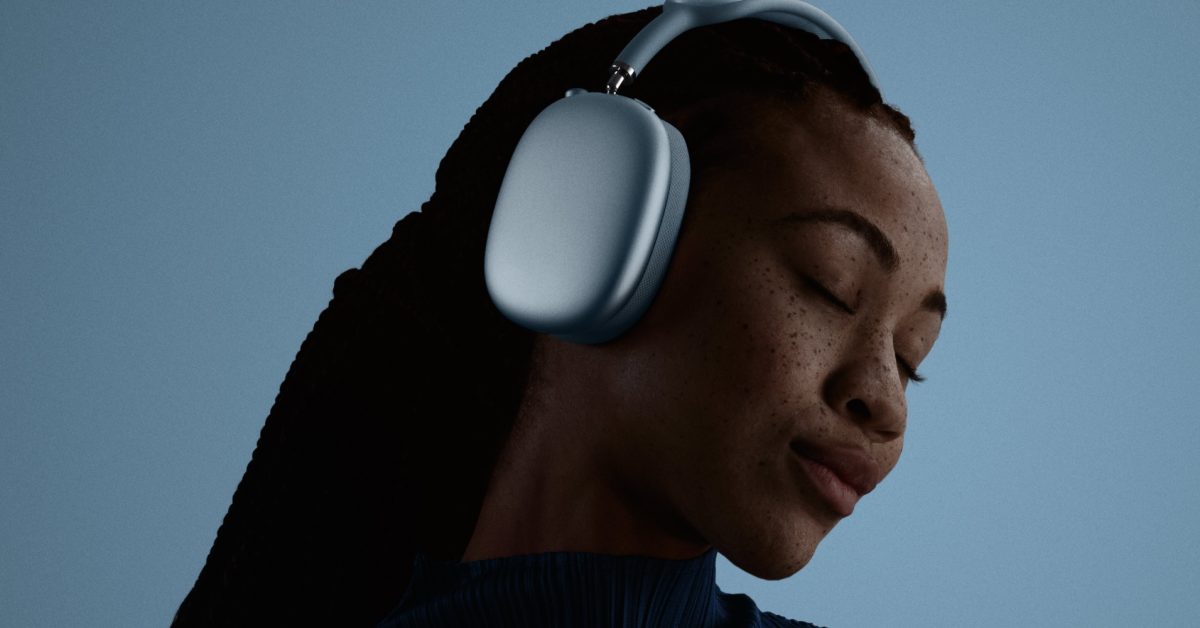
- The AirPods Max development spanned five years and was treated as three separate design projects: the headband, the cushion, and the case.
- Apple consciously chose not to feature a logo on the headphones to avoid "branding" the user's head, emphasizing a minimalist aesthetic.
- Former design lead Jony Ive served as a protective "shield" for the design team, insulating them from business pressures to foster a culture of creative experimentation.
Unveiling the Complexity Behind Apple’s Premium Over-Ear Headphones
When Apple introduced the AirPods Max, they shifted the paradigm of premium personal audio. Now, former Apple hardware designer Eugene Whang, who served two decades under the iconic Jony Ive, is pulling back the curtain on the grueling five-year development process that birthed these industry-defining headphones. In a recent interview with Highsnobiety, Whang detailed the meticulous engineering and unconventional design choices that set the AirPods Max apart.
Treating One Product as Three Separate Challenges
Developing a high-end audio device isn’t just about sound quality; it’s about ergonomics and user experience. Whang reveals that his team approached the AirPods Max not as a single project, but as three distinct, interconnected products: the headband, the acoustic cushions, and the protective case. The cushions, in particular, presented a significant engineering hurdle. To ensure comfort across the vast spectrum of human head and ear anatomy, the design team iterated through “hundreds and hundreds of variations.” This level of granular focus underscores Apple’s commitment to achieving a universal fit without compromising on the device’s signature aesthetic.
The Strategy Behind the Minimalist Look
One of the most notable aesthetic choices of the AirPods Max is the deliberate absence of visible branding. According to Whang, the design team opted to keep the device logo-free because they simply “didn’t want to brand your head.” This minimalist philosophy reflects Apple’s broader design language, prioritizing form and tactile quality over the need for overt corporate labeling, allowing the hardware itself to communicate the brand identity.
The Jony Ive Effect and the Culture of Innovation
Whang’s tenure at Apple saw the company evolve from a design-focused challenger to a global economic juggernaut. Central to this transition was Jony Ive, who Whang describes as a crucial protective layer for the design team. By insulating designers from the aggressive pressures of the business side of the company, Ive allowed his team to iterate freely and maintain a singular focus on perfection. Whang highlights that Ive often absorbed the organizational strain, enabling the creative team to push boundaries on projects ranging from the iPod nano to the original AirPods and the iPhone.
A Career Built on Boldness
Whang’s journey at Apple began with a mix of audacity and persistence. Rather than waiting for a direct path into the industry, he proactively reached out to the design team, guessing email formats and calling Apple’s main help line. His experience serves as a testament to the idea that even at the world’s most dominant tech companies, innovation is driven by individuals willing to push through the noise. After leaving Apple to join LoveFrom, Whang continues to influence the design world, leaving behind a legacy that remains deeply embedded in the current Apple ecosystem.