Inside the Design Studio: The Untold Engineering Challenges Behind the Apple AirPods Max

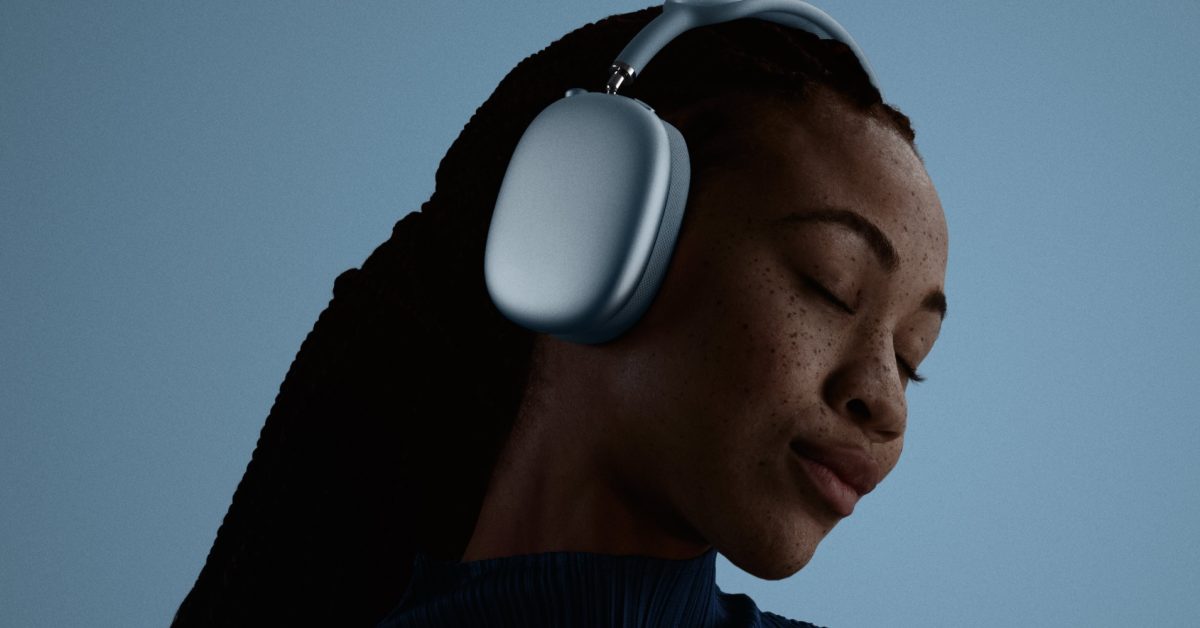
- The AirPods Max required five years of development, with engineers treating the headband, cushions, and case as three separate, highly complex design projects.
- The minimalist, logo-free look was a deliberate choice to avoid "branding the user's head" and maintain a clean, design-first aesthetic.
- Former designer Eugene Whang credited Jony Ive with shielding the design team from corporate pressures, allowing them the creative freedom to iterate on challenging ergonomic problems.
The Philosophy of Invisible Design
Developing a piece of premium hardware is rarely a straightforward journey, but for Apple, the AirPods Max represented a unique convergence of acoustic engineering and ergonomic obsession. Eugene Whang, a veteran hardware designer who spent over two decades at Apple and later joined Jony Ive’s boutique design firm, LoveFrom, recently pulled back the curtain on the exhaustive process behind the company’s flagship over-ear headphones.
Designing for Every Human Head
According to Whang, the development cycle for the AirPods Max spanned five years. During this period, the design team treated the project not as a single unit, but as three distinct, complex products: the headband, the acoustic cushion, and the protective case. The most grueling of these was the cushion.
Human anatomy is notoriously varied, and the team had to account for a vast array of head and ear shapes. Whang notes that the team iterated through “hundreds and hundreds of variations” to ensure that the acoustic seal remained consistent without sacrificing comfort. This obsession with fit was a direct response to the wide-ranging physical differences among users, a testament to the rigorous testing protocols typical of the Apple design studio.
The Strategy Behind the Logo-Free Aesthetic
One of the most striking visual elements of the AirPods Max is the deliberate absence of branding. In an industry where logos are often placed front and center to reinforce status, Apple opted for a minimalist aesthetic. Whang explains this decision succinctly: “We didn’t want to brand your head.” By focusing on clean lines and premium materials, the design team prioritized the user’s identity over marketing real estate, keeping the product focused on the listening experience rather than the label.
The Jony Ive Effect
Whang’s tenure at Apple saw the company evolve from a scrappy innovator into a global economic titan. He credits his mentor and former boss, Jony Ive, with playing a pivotal role in the design team’s success. Whang describes Ive as a protective barrier who shielded the creative team from the aggressive pressures of corporate stakeholders and business-side requirements.
“Jony shielded us from a lot of it,” Whang reflects. “He had to take a lot of hits for being in that position.” This management style allowed the design team to experiment with the high-risk, high-reward concepts that eventually led to iconic products like the original iPhone, the iPod nano, and the AirPods lineup.
From Cold Calls to Design Icons
Beyond the technical details, Whang’s story is a reminder of the power of initiative. He secured his initial role at Apple by cold-calling the company, identifying a contact who seemed approachable, and simply reaching out. His journey from an aspiring designer to a key contributor on some of the world’s most recognizable technology serves as a testament to the fact that, behind every global tech giant, there are simply people dedicated to solving complex human problems.