WhatsApp Accelerates UI Evolution with Broader ‘Liquid Glass’ Rollout on iOS

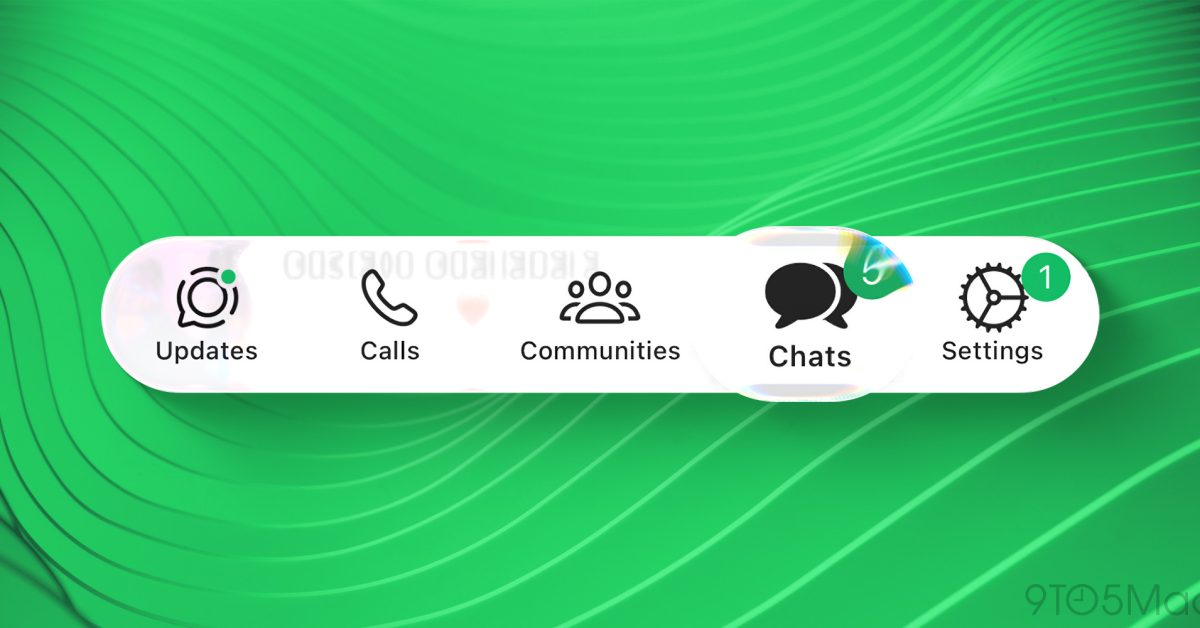
- WhatsApp is rolling out its "Liquid Glass" UI redesign to a broader audience on iOS after months of restricted testing.
- The update introduces modernized, semi-transparent design elements to navigation bars and chat interfaces, aligning the app with contemporary iOS aesthetics.
- The transition is being implemented in phases, with legacy components like the voice message player expected to receive the design update in future updates.
A New Aesthetic for WhatsApp
After an extended period of limited beta testing, Meta is finally expanding its “Liquid Glass” design language to a wider base of WhatsApp users on iOS. This UI overhaul, which signals a significant departure from the classic WhatsApp look, aims to align the messaging platform with modern design standards, offering a more fluid and translucent visual experience that mimics the glass-like transparency popularized in contemporary mobile operating systems.
What is the Liquid Glass Design?
The Liquid Glass design language focuses on transparency, soft edges, and refined iconography. Unlike the utilitarian, opaque blocks of the past, this new aesthetic emphasizes depth and light, utilizing subtle blur effects and smoother transitions. Meta began testing these elements in October, starting with minor tweaks to the bottom navigation bar and specific components of the Chats tab. As of this week, users are reporting a more widespread implementation that touches on various core interface elements.
Key Changes and User Experience
Reports from the community indicate that the rollout is currently phased, with the following interface components being the most frequently cited recipients of the update:
- Redesigned Navigation Bars: Both the top navigation of the main Chats interface and the primary bottom navigation bar now feature the updated glass-inspired look.
- Keyboard Integration: The update appears to be syncing with newer iOS keyboard standards, providing a more cohesive “system-wide” feel.
- In-Chat Elements: Select UI components within individual chat threads have received the aesthetic polish, making interactions feel more responsive and modern.
However, the rollout remains incomplete. Current observations note that specific functional modules—such as the voice message player, message reactions, and certain context menus—still retain the legacy interface. This suggests that Meta is adopting a modular deployment strategy, allowing them to gather user feedback and monitor stability as they migrate individual app components to the new framework.
Community Reception and Future Outlook
As with any major UI overhaul, the response from the WhatsApp community has been mixed. While many users are celebrating the fresher, more modern look on social media platforms like X, others have expressed hesitation regarding the increased transparency and changes to the established navigation habits. Regardless of personal preference, the transition to Liquid Glass represents a significant milestone in WhatsApp’s commitment to staying visually competitive with native iOS apps. We expect further refinements and a complete application-wide rollout in the coming weeks as Meta addresses user feedback and optimizes performance for the remaining legacy elements.