Beyond the OLED Hype: Why a Thinner Design is the Real Game-Changer for the MacBook Pro

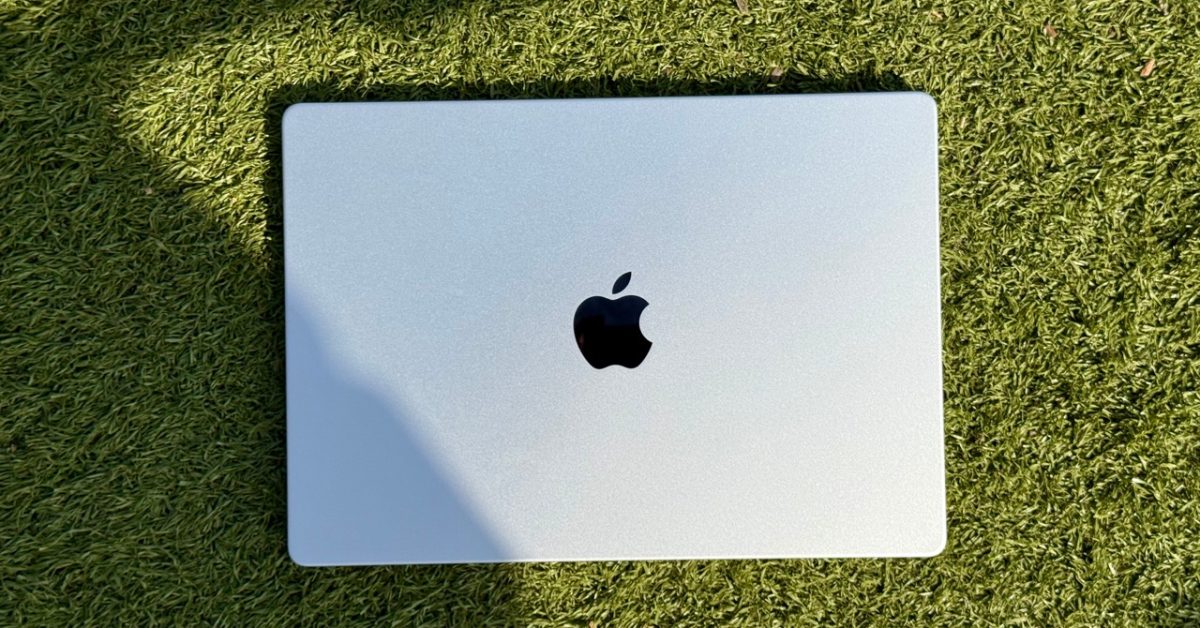
- Apple’s 2026 MacBook Pro redesign will prioritize a thinner, more portable form factor alongside the introduction of M6 Pro/Max chips.
- The move signals a balance between high-end thermal performance and mobile convenience, avoiding the mistakes of earlier ultra-thin designs.
- The new design will initially be exclusive to higher-end M6 Pro/Max models, with base-model updates expected in later cycles.
The Next Evolution of Apple’s Powerhouse
As we approach the anticipated release of the 2026 MacBook Pro redesign, the tech community is buzzing with rumors of OLED displays, touch-screen integration, and the arrival of the formidable M6 Pro and M6 Max chipsets. While these high-profile hardware upgrades are undoubtedly impressive, there is one subtle, often overlooked feature that promises to change the daily user experience more than any screen upgrade: the shift toward a thinner, more portable form factor.
Redefining Pro Portability
For years, the MacBook Pro has been synonymous with raw performance, but this often came at the cost of significant weight, particularly with the 16-inch models. While power users frequently cite the need for thermal headroom and massive batteries, the sheer heft of these machines has always been a barrier for creators who prioritize mobility. The upcoming design overhaul, reportedly delayed from a 2025 launch to allow for more refinement, aims to strike a delicate balance between high-end performance and everyday portability.
Avoiding the Pitfalls of the Past
The tech industry still carries the memory of the 2016 ‘thinness obsession,’ which resulted in thermal throttling and controversial keyboard designs. However, industry insiders suggest that Apple’s approach in 2026 is far more measured. By leveraging the industry-leading power efficiency of Apple Silicon, the company can likely reduce the physical footprint of the chassis without compromising the cooling systems or port selection that define a ‘Pro’ machine.
Strategic Rollout
It is important to note that this structural redesign is expected to debut exclusively with the M6 Pro and M6 Max configurations. Users seeking a base-model 14-inch MacBook Pro with the entry-level M6 chip may have to wait until 2027 or 2028 for these design benefits to filter down the lineup. This creates a clear segmentation between the ultra-portable consumer Air series and the high-performance, refined Pro series.
The Bottom Line
While the prospect of OLED clarity and touch-based interfaces will dominate the headlines, the shift toward a slimmer chassis reflects a maturation in Apple’s hardware philosophy. It acknowledges that true productivity isn’t just about what a laptop can do at a desk, but how easily it can travel with the professional on the move. For many, a lighter 16-inch MacBook Pro will be the most significant upgrade in nearly a decade.