Transparency Shift: Tesla Unveils Details on Robotaxi Remote-Operation Collisions

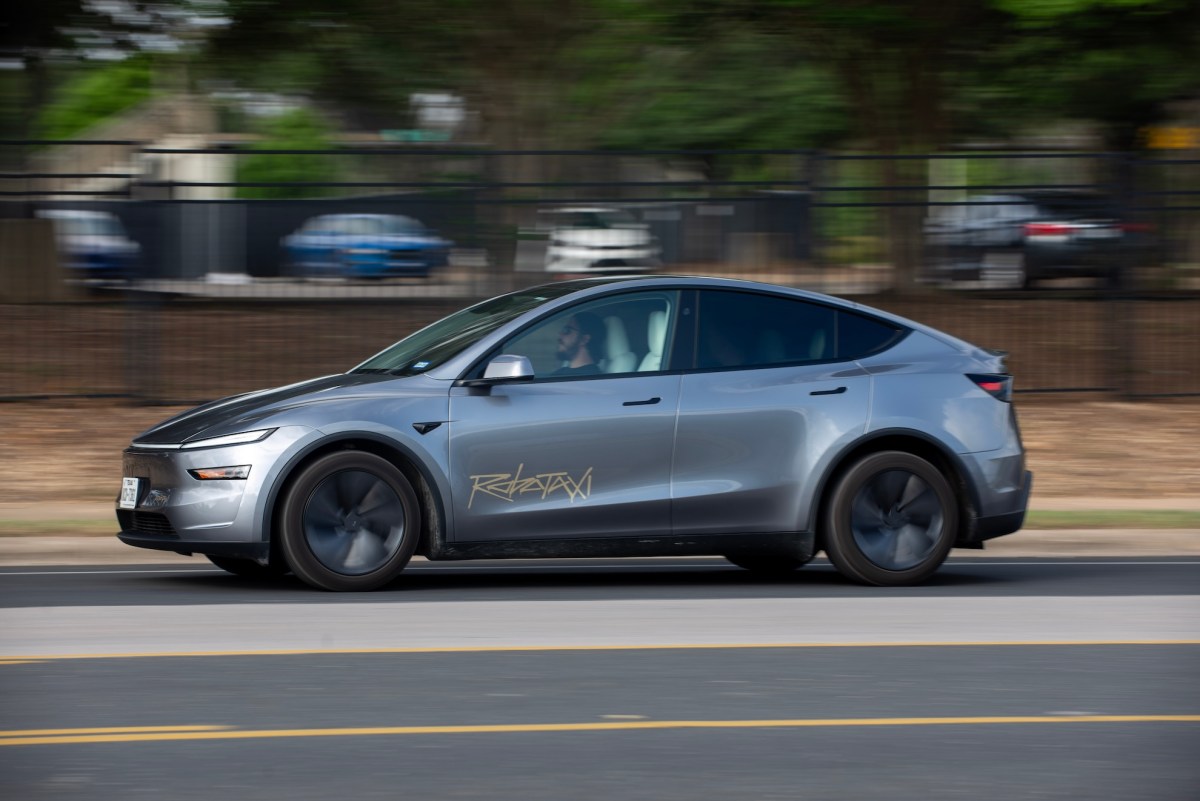
- Tesla has unredacted NHTSA reports, revealing two collisions involving remote teleoperators in Austin, Texas.
- The incidents occurred at low speeds while teleoperators were attempting to recover vehicles from 'compromising' positions.
- The disclosure marks a major shift in transparency for Tesla, which previously shielded these incident details as proprietary business information.
Transparency Shift: Tesla Unveils Details on Robotaxi Remote-Operation Collisions
For years, Tesla has maintained a shroud of confidentiality regarding the performance data of its autonomous driving systems. However, in a significant pivot, the company has unredacted critical incident reports submitted to the National Highway Traffic Safety Administration (NHTSA), revealing that its fledgling Robotaxi network has been involved in at least two collisions while under the control of remote teleoperators.
The Reality of Remote Teleoperation
The disclosures shed light on the mechanics of Tesla’s ‘Remote Assistance’ program. According to documents previously shared with lawmakers, Tesla utilizes teleoperators to pilot vehicles at speeds under 10 mph. The company justifies this capability as a vital tool for maneuvering vehicles out of compromising positions, thereby avoiding the logistical hurdles of dispatching field representatives to recover cars in real-time.
Despite the low-speed threshold, the newly released NHTSA data confirms that remote operation is not immune to error. Both reported incidents occurred in Austin, Texas, involving empty vehicles—each accompanied by a safety monitor—that ended in physical contact with infrastructure.
Analyzing the Incident Reports
The details provided in the unredacted reports offer a rare glimpse into the challenges Tesla faces in human-in-the-loop autonomous systems:
- The July 2025 Curb Incident: While attempting to navigate past a stopped position, a teleoperator took control to move the vehicle. The remote pilot executed a left turn that resulted in the vehicle driving over a curb and striking a metal fence.
- The January 2026 Barricade Collision: During a request for navigational support, a teleoperator resumed control and drove the vehicle at approximately 9 mph into a temporary construction site barricade, causing damage to the front-left fender and tire.
The Broader Context of Autonomous Safety
Tesla’s decision to move toward transparency is notable, as it previously argued that such data constituted confidential business information. Beyond these remote-operation mishaps, the 17 total incidents recorded by Tesla since last year show a varied landscape of operational difficulties, ranging from minor scrapes with parking lot chains to an incident involving a collision with a dog.
While industry peers like Waymo and Zoox have reported higher raw numbers of incidents, industry analysts are quick to note that Tesla is currently operating at a significantly smaller scale. The caution exercised by the company—highlighted by Elon Musk’s recent remarks emphasizing that safety remains the primary barrier to aggressive scaling—appears well-founded given these findings.
What This Means for the Future
As the autonomous vehicle industry continues to navigate the ‘long tail’ of edge cases, these incidents underscore that even with human remote oversight, the transition to full autonomy remains complex. For Tesla, balancing the desire for rapid expansion with the mandate for public safety will define the success of its Robotaxi roadmap in the coming years.