Googlebook: Innovation or Identity Crisis? The Uncertain Future of Google’s Laptop Strategy

The Convergence Conundrum
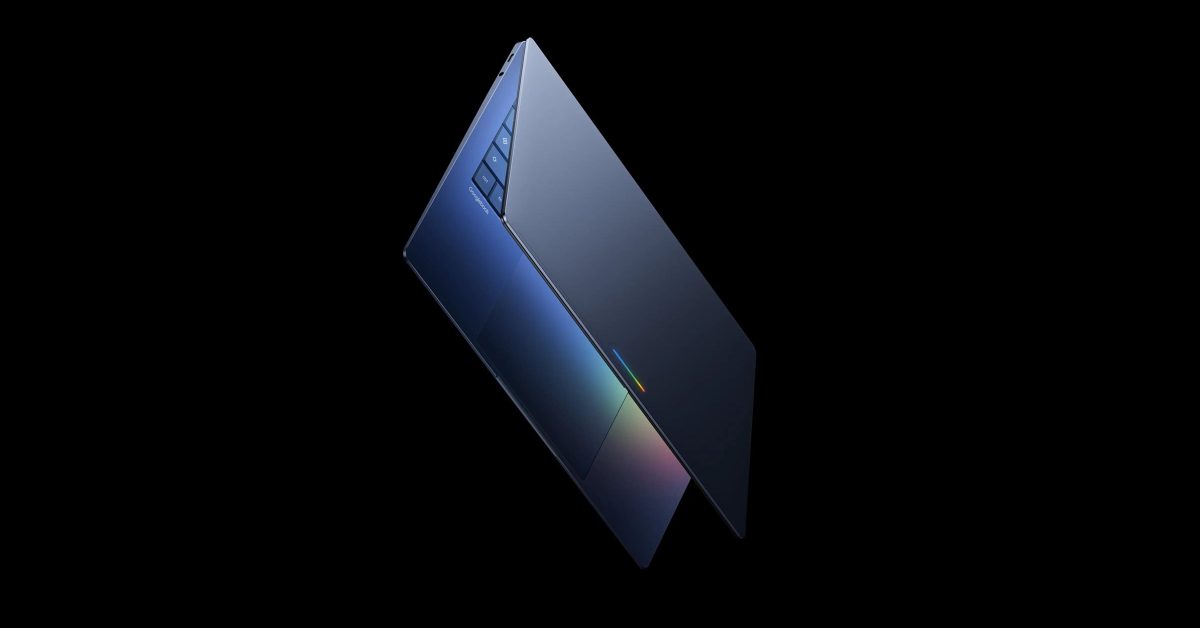
Google recently pulled back the curtain on its long-rumored project: the ‘Googlebook.’ Positioned as a major pivot point for the company’s hardware division, the device aims to merge the ChromeOS and Android ecosystems into a singular, cohesive experience. However, as the initial buzz from ‘The Android Show’ settles, a critical question remains: has Google actually provided a compelling reason for this product to exist?
The Gemini Integration: Is It Enough?
At the heart of the Googlebook pitch is Gemini, Google’s generative AI engine. The marquee feature showcased was the ‘Magic Pointer’—a gesture-based interaction that allows users to ‘wiggle’ the cursor to summon Gemini and analyze on-screen content. While the concept of contextual AI assistance is undoubtedly practical, it feels like a software update rather than a paradigm shift. Crucially, Google has already confirmed that this functionality will be rolled out to the standard Chrome browser, effectively stripping the Googlebook of its unique selling proposition.
The Feature Overlap Problem
Beyond the Magic Pointer, the feature set for Googlebook feels remarkably familiar. The highlights include:
- Widget Support: A direct port of the Android desktop widget ecosystem.
- App Mirroring: Enhanced connectivity between your smartphone and the laptop interface.
- Quick Access: A file-sharing bridge that mirrors capabilities ChromeOS users have enjoyed for years.
When the ‘innovation’ of a brand-new hardware category largely relies on features already present on existing phones or standard browsers, one must wonder who the target audience truly is.
Defining the Laptop’s Role in an AI-First World
Google’s strategy seems heavily tethered to the idea that AI is the primary reason to upgrade hardware. However, this approach may fundamentally misunderstand the modern user’s relationship with their devices. In 2026, the smartphone is the primary computing hub for the vast majority of consumers.
For the Googlebook to succeed, it cannot simply be a ‘large Android phone’ or an AI-glorified browser. Users choose laptops for specific workflows: complex video editing, advanced multitasking, and productivity suites that demand a tactile keyboard and a desktop-grade OS environment. By leaning too heavily into smartphone-centric features like widget scaling and mobile app mirroring, Google risks creating a device that is neither as portable as a phone nor as powerful as a dedicated workstation.
Final Verdict: A Hardware Identity Crisis
The addition of signature hardware flourishes, such as the ‘Glow Bar,’ feels like a superficial attempt to add character to an otherwise uninspired vision. For the Googlebook to move from a curious experiment to a market staple, Google must demonstrate that this platform handles high-productivity tasks better than a tablet or a standard desktop OS. Until they can articulate why an ‘Android-based laptop’ is superior to the existing robust options on the market, the Googlebook remains a solution in search of a problem.