watchOS 27 Compatibility Shift: Is Your Apple Watch Ready for the AI Era?

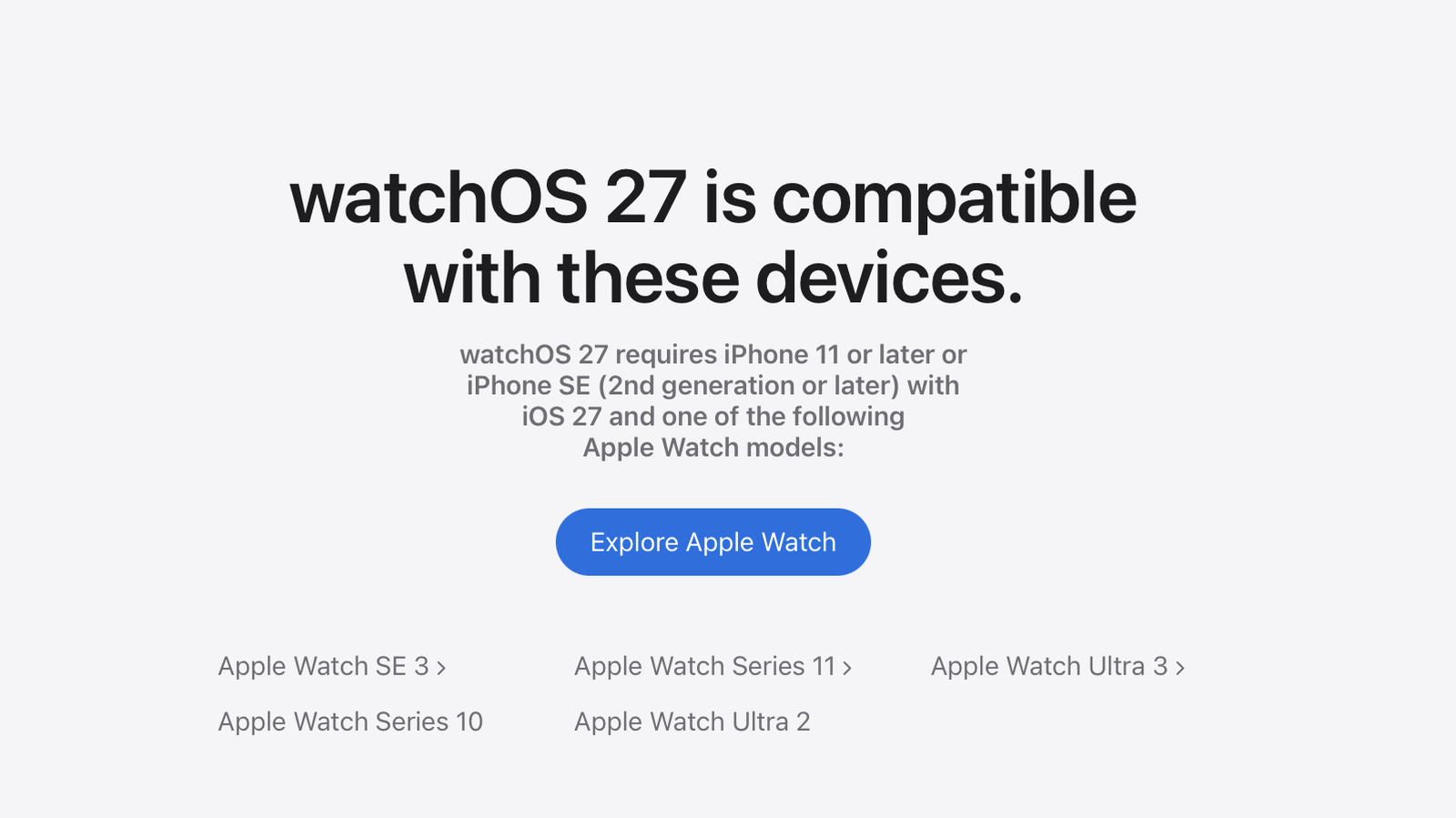
- watchOS 27 brings advanced Apple Intelligence to the wrist, causing a shift in hardware compatibility requirements.
- The 2022-era Apple Watch Ultra and Apple Watch SE 2 are excluded from the latest update due to demanding AI performance requirements.
- Apple has officially confirmed that the Apple Watch Series 9 remains supported, correcting initial reports that suggested otherwise.
The Evolving Landscape of Apple Watch Support
With the conclusion of WWDC 2026, the tech community is buzzing over the unveiling of watchOS 27. While Apple’s annual keynote is typically a celebration of innovation, it often brings a sobering realization for long-time hardware owners: the inevitable phase-out of legacy devices. As Apple pushes forward with its latest software, the company has clarified which hardware will keep pace—and the cutoff has raised significant questions regarding the intersection of AI and wearable longevity.
Defining the Cutoff: Who Gets the Update?
The transition to watchOS 27 represents a pivotal moment for the Apple Watch ecosystem. Initially, concerns were sparked by a restrictive list of compatible devices, which seemed to exclude relatively modern hardware. However, following internal clarifications, the landscape of supported devices has stabilized.
As it stands, watchOS 27 will be compatible with the following lineup:
- Apple Watch Series 11
- Apple Watch Series 10
- Apple Watch Series 9
- Apple Watch SE 3
- Apple Watch Ultra 3
- Apple Watch Ultra 2
The AI Bottleneck: Performance Constraints
The most notable casualties of this update cycle are the original Apple Watch Ultra and the Apple Watch SE 2, both of which debuted in 2022. While these devices are only four years old, their exclusion suggests a growing divide in processing power requirements.
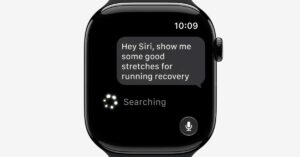
The integration of advanced Apple Intelligence features into watchOS 27 appears to be the primary catalyst for this shift. With the new Siri paradigm demanding significantly higher neural processing capabilities, older silicon—even from a generation as recent as 2022—may lack the overhead required to maintain the fluid, responsive experience Apple users expect. This highlights a clear trend: the integration of generative AI features is accelerating the hardware obsolescence cycle, even for wearables.
Looking Forward: Is 2022 Hardware Past Its Prime?
The initial confusion surrounding the exclusion of the Series 9 serves as a reminder that even at the highest levels, software support documentation can be prone to errors. However, the drop-off for the original Ultra and SE 2 is a calculated move to prioritize the efficiency of modern AI features. As wearable technology shifts from simple notifications to proactive, AI-driven assistants, users should anticipate that software support will increasingly be dictated by neural engine capability rather than simple raw CPU speed.