Beyond AI: Why Apple’s WWDC Strategy is a Masterclass in Foundation Repair

- Apple used its latest WWDC keynote to focus on fixing core usability issues rather than solely unveiling new AI features.
- The company introduced user-requested customization for the 'Liquid Glass' design to address long-standing legibility complaints.
- Significant performance optimizations for legacy devices (back to iPhone 11) and major improvements to system search and file-sharing stability were prioritized.
Reframing the Apple Narrative: Stability Over Hype
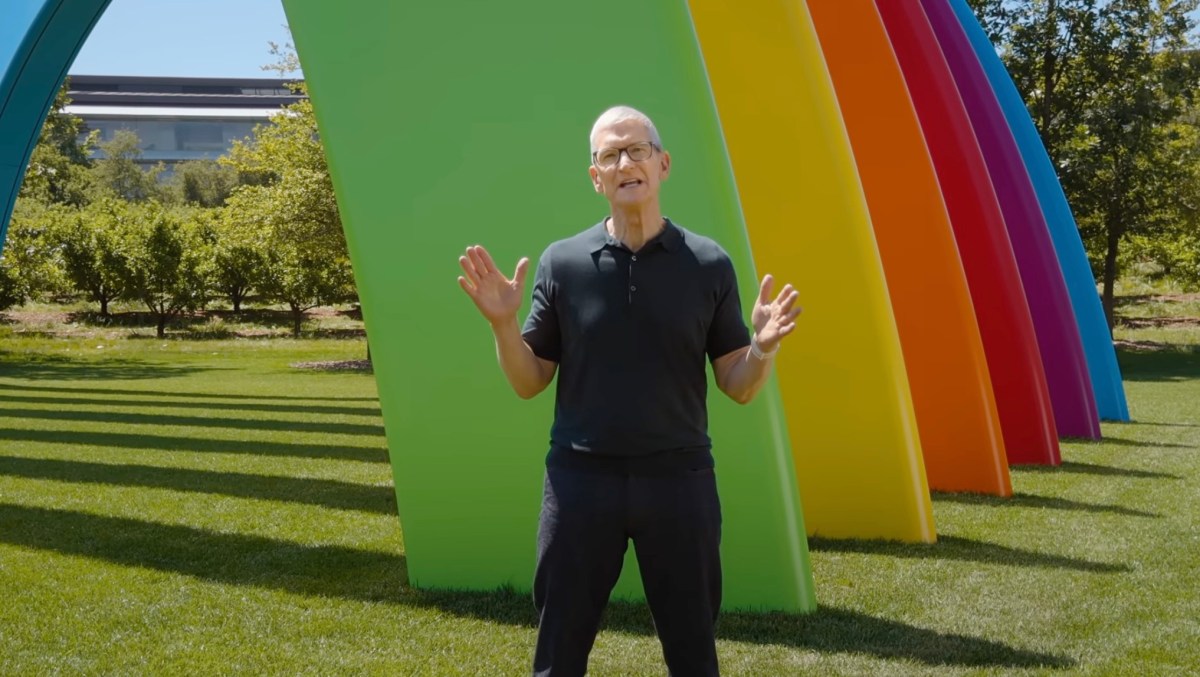
For years, Apple’s Worldwide Developer Conference (WWDC) has been the stage for ambitious, industry-shifting announcements. However, this year’s event struck a different chord. Rather than leading with a high-octane AI reveal, Apple’s senior vice president of Software Engineering, Craig Federighi, opened the keynote with what felt like a corporate mea culpa. By prioritizing system stability and design refinements over flashy new features, Apple sent a clear message: it is time to shore up the foundation.
The ‘Liquid Glass’ Correction
The most telling moment of the event involved the company’s controversial ‘Liquid Glass’ design language. Since its introduction in iOS 26, the aesthetic—while visually striking—faced significant backlash regarding legibility and usability. In a rare pivot, Apple addressed the critique head-on. Rather than doubling down, the company introduced new customization options, including a slider that allows users to shift from the clear, glass-like default to a more traditional ‘tinted’ appearance. This move acknowledges that, for Apple, utility must ultimately triumph over form.
Performance Under the Hood
Beyond design, Apple took aim at several long-standing performance bottlenecks. The keynote highlighted significant backend optimizations that promise a snappier user experience across the board:
- Faster App Launches: iPhone and iPad applications now initialize 30% faster.
- Library Responsiveness: Photos now populate in the library up to 70% faster.
- AirDrop Reliability: File transfers have been overhauled, resulting in speeds up to 80% faster and a more stable connection protocol.
- Legacy Support: Importantly, these performance gains are being extended to devices as far back as the iPhone 11, reflecting a shift in strategy as users hold onto their hardware for longer lifecycles.
Redefining Search and Connectivity
Apple also tackled the persistent friction in daily tasks, specifically search and network handoff. The updated search experience promises to be more comprehensive and stable, with real-time indexing and a revamped ranking algorithm in Mail. By optimizing the transition between Wi-Fi and cellular, and providing better feedback for message delivery under low bandwidth, Apple is effectively cleaning up the “technical debt” that has accumulated over the last two years.
The Strategic Pivot
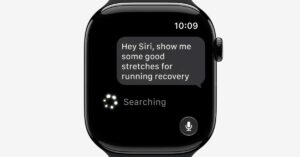
By framing the revamped Siri and other AI integrations as just one part of a larger, broader update, Apple is playing a long game. The company is betting that consumers value a reliable, polished operating system over a rushed AI experiment. By “sweating the details,” as Federighi put it, Apple isn’t just playing catch-up—it is ensuring that when its AI does arrive, it lands on an ecosystem that actually works as advertised.