Apple Stalls Siri AI Rollout in EU: The Regulatory Conflict Explained

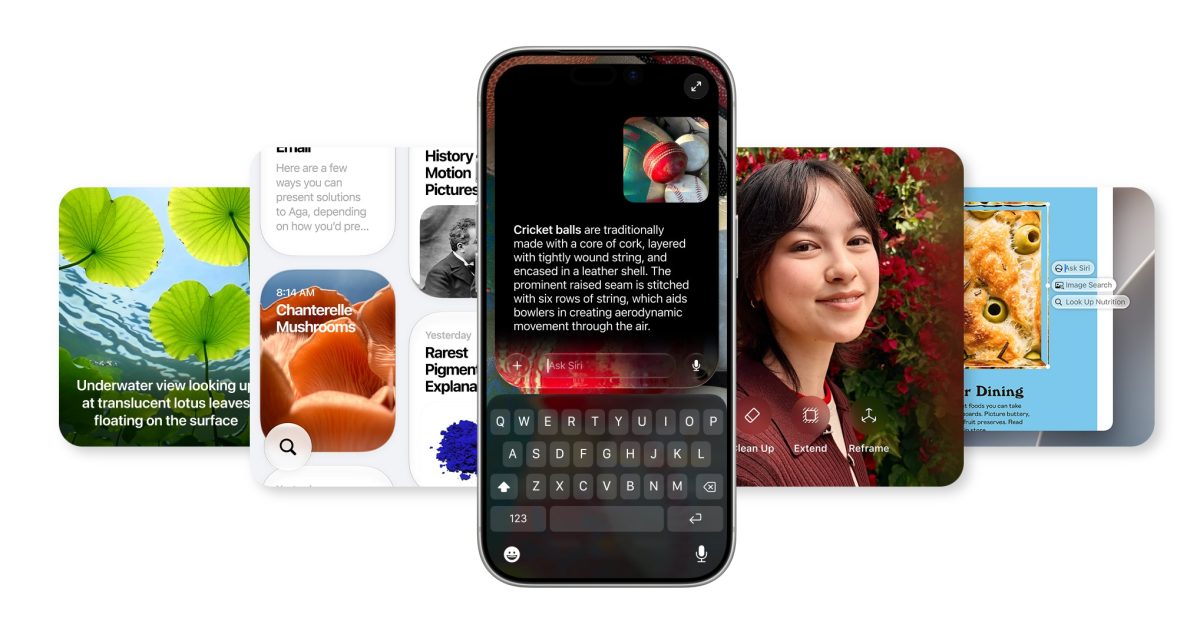
- Apple has delayed the release of its new generative Siri features in the EU due to conflicts with the Digital Markets Act.
- The restrictions specifically impact iPhone and iPad users, while macOS and other Apple platforms remain unaffected.
- Apple and EU regulators remain at an impasse regarding data access, as Apple struggles to balance system-wide interoperability with its privacy standards.
The Regulatory Impasse: Why Siri AI is Delayed in the EU
Apple has officially announced that its highly anticipated generative AI features for Siri will face a significant delay for users in the European Union. While the rest of the world prepares to experience the overhauled Siri capabilities in the upcoming iOS 27 release, Apple has confirmed that iPhone and iPad users across the EU will be left waiting, citing friction with the region’s stringent Digital Markets Act (DMA).
The Scope of the Restriction
The restrictions are specifically targeted at Apple’s mobile platforms, namely iOS and iPadOS. According to the company, Apple Vision Pro, macOS, and Apple Watch remain unaffected, as these platforms do not currently fall under the DMA’s strict “gatekeeper” classifications. The features currently sidelined in the EU include:
- Advanced Siri language processing and context awareness.
- System-wide generative writing tools.
- New AI-integrated features within the Camera application.
- Enhanced predictive system functionality.
Privacy vs. Interoperability
The core of the dispute lies in the fundamental requirements of the Digital Markets Act. The DMA mandates that “gatekeepers” like Apple must allow third-party developers equal access to system functions to ensure fair competition. However, Apple’s new AI suite requires deep, granular access to user data—a domain where Apple historically maintains a “walled garden” approach to protect privacy.
Apple claims it attempted to bridge this gap by proposing a “Trusted System Agent,” a technical layer designed to coordinate data access securely. Despite these efforts, EU regulators rejected the proposal, arguing that it failed to sufficiently guarantee the level of open interoperability required by the legislation. Consequently, Apple finds itself unable to balance its strict “privacy-by-design” philosophy with the EU’s competitive mandates.
What’s Next for EU Users?
Craig Federighi, Apple’s Senior Vice President of Software Engineering, expressed deep disappointment regarding the current deadlock. With no immediate solution in sight, Apple has stated that there is currently no timeline for when these features might arrive on European iPhones. The company remains committed to ongoing negotiations with the European Commission, hoping to find a path that satisfies regulatory requirements without compromising its security architecture. For now, European consumers will have to wait for further developments in this ongoing tech-policy showdown.