Escalating Surveillance: DOJ Targets Anonymous ICE Critics via Social Media Subpoenas

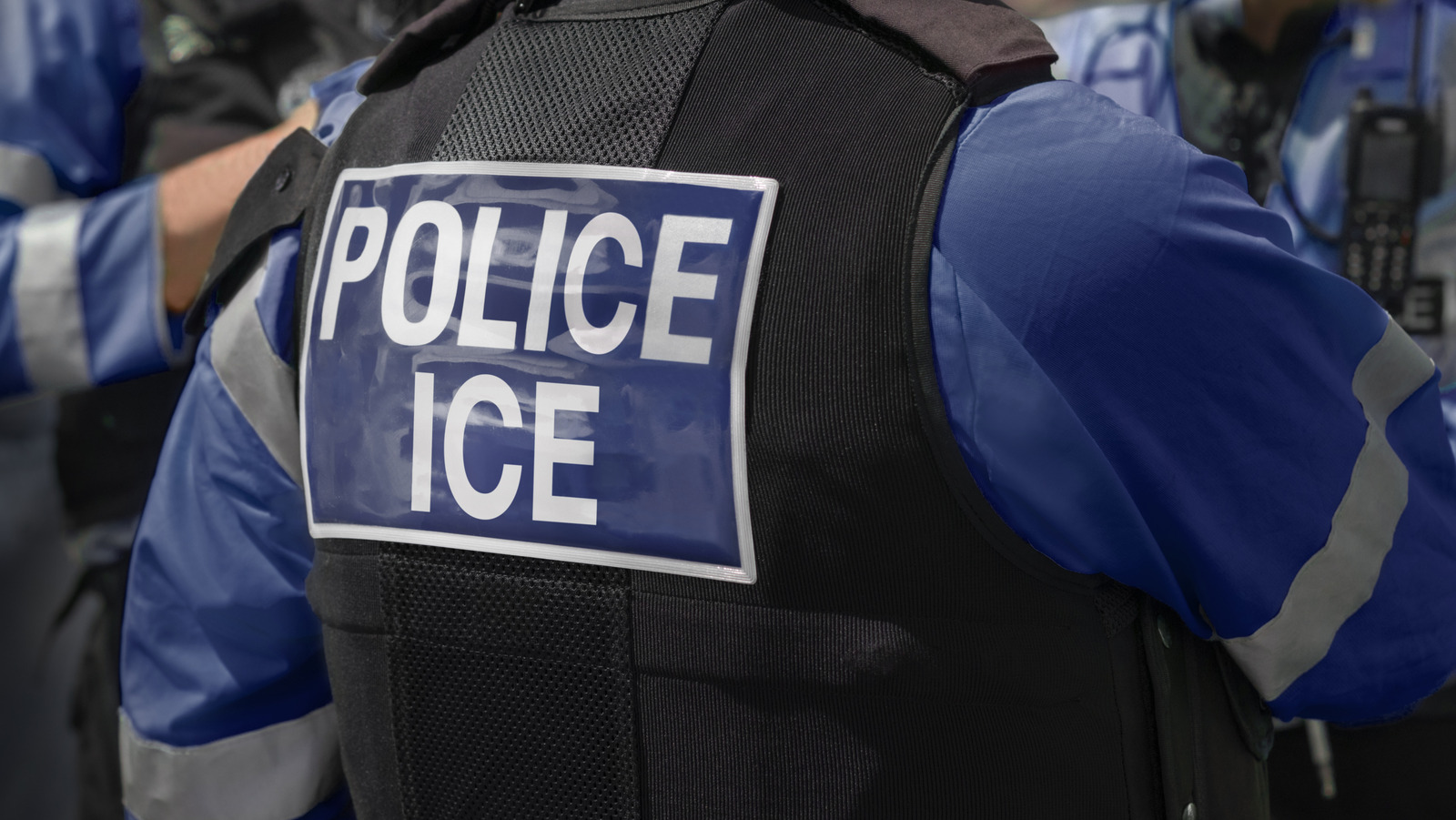
- The DOJ is utilizing grand jury subpoenas to demand the personal identities, addresses, and banking data of anonymous Reddit and X users critical of ICE.
- Legal defense teams argue the government is acting in bad faith, noting that the content flagged by authorities contains no credible threats of violence.
- This action is part of a wider trend of increased federal surveillance of online 'anti-technology extremists' and attempts to de-platform tools that monitor government agency movements.
The DOJ’s Digital Crackdown: Unmasking Anonymous Critics
In a move that has sparked significant debate regarding online anonymity and government overreach, the U.S. Department of Justice (DOJ) has issued grand jury subpoenas to Reddit and X (formerly Twitter). The legal actions target the identities of users who have posted content critical of U.S. Immigration and Customs Enforcement (ICE), signaling an aggressive shift in how the current administration manages digital dissent.
The Mechanism of Disclosure
According to recent reports, the subpoenas—spearheaded by U.S. Attorney for the District of Columbia, Jeanine Pirro—demand extensive personal records, including names, residential addresses, and banking information. While both Reddit and X have complied with standard industry practice by notifying the affected users, the legal threshold for challenging a grand jury subpoena is exceptionally high, leaving the targeted individuals in a precarious position.
Legal representatives for the users, including Lauren Regan and Joshua Koltun, argue that these actions constitute a ‘bad faith’ attempt to stifle speech. The posts in question range from general anti-ICE sentiment to the sharing of publicly available information regarding specific officers involved in controversial incidents. Defense counsel maintains that none of the flagged content contains credible threats of violence or illegal intent.
A Pattern of Escalating Digital Surveillance
This development is not an isolated incident but part of a broader strategy aimed at monitoring and suppressing digital activity deemed hostile to federal agencies. Earlier this year, reports indicated that the Department of Homeland Security (DHS) had already issued hundreds of administrative subpoenas to major tech giants—including Google, Discord, and Meta—in an effort to map out networks of ICE critics.
The government’s focus on digital infrastructure has been consistent:
- App Store Removals: In 2025, applications like ‘ICEBlock,’ which tracked the movement of federal agents, were removed from Apple and Google stores following intense pressure from the administration.
- Expansion of Domestic Targets: The administration has reportedly expanded the definition of ‘domestic surveillance targets’ to include groups categorized as ‘anti-technology extremists.’
- Predictive Surveillance: Internal government documents suggest a heightened concern that AI-driven tools could facilitate large-scale protests, leading to increased monitoring of urban centers.
Legal and Ethical Implications
The progression from administrative summons to grand jury subpoenas marks a significant escalation in the government’s investigative posture. Legal experts suggest that the use of grand jury powers shifts these cases from routine inquiries into full-blown criminal investigations, placing immense pressure on both the social media platforms and the anonymous users they host. As this situation unfolds, it raises critical questions about the balance between national security interests and the constitutional protections afforded to anonymous speech in the digital age.