iRacing Transforms Sim Racing: Apple Vision Pro Integration Sets New Fidelity Standards

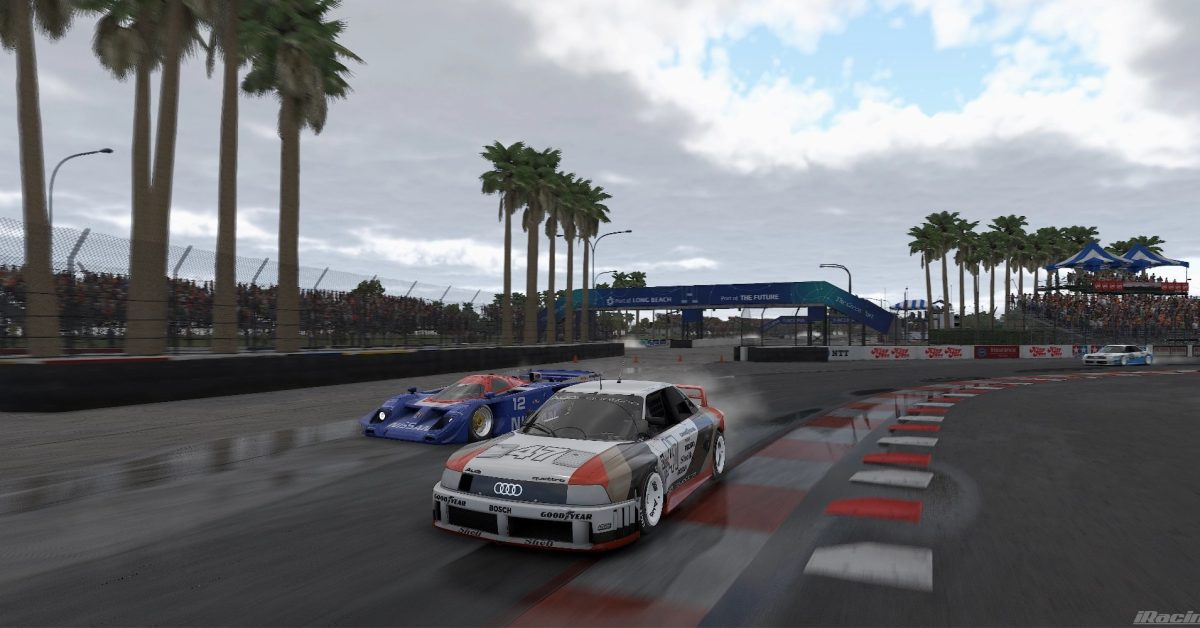
- iRacing has launched 'iRacing Connect' for Apple Vision Pro, utilizing NVIDIA CloudXR for high-fidelity, low-latency racing.
- The platform uses foveated streaming to prioritize visual clarity in the driver’s line of sight while leveraging ARKit to blend physical hardware with virtual cockpit environments.
- The release coincides with the visionOS 26.4 update, which introduces broader support for advanced spatial computing applications in gaming, design, and manufacturing.
The Future of Virtual Motorsport: iRacing Lands on visionOS
The landscape of professional-grade simulation racing has undergone a seismic shift as iRacing officially launches its dedicated application for the Apple Vision Pro. Available via the ‘iRacing Connect’ app on the App Store, this release marks a significant milestone for enthusiasts seeking an unparalleled fusion of digital precision and physical immersion. According to iRacing president Tony Gardner, the integration delivers a “level of immersion and fidelity never before seen in sim racing.”
Technical Architecture: Powering High-Fidelity Racing
The experience is made possible through the latest visionOS 26.4 update, which introduces a sophisticated “foveated streaming” capability. By leveraging NVIDIA’s CloudXR technology, iRacing ensures that computational resources are optimized: high-fidelity physics and graphical rendering occur on a dedicated, high-performance PC equipped with an NVIDIA RTX GPU. The rendered frames are then encoded and transmitted wirelessly over a high-speed Wi-Fi connection directly to the Apple Vision Pro.
This architecture is crucial, as it allows for low-latency, high-frame-rate rendering, which is essential to prevent motion sickness in high-speed racing scenarios. The foveated streaming technique specifically focuses the highest graphical resolution on the area where the driver is actively looking, preserving clarity exactly where it matters most.
Unmatched Immersion Through ARKit
One of the most impressive technical achievements of this integration is the use of Apple’s ARKit to bridge the gap between the virtual cockpit and the physical racing rig. Unlike traditional VR headsets that completely isolate the user, the Apple Vision Pro allows for a seamless “pass-through” effect:
- Physical Alignment: The virtual cockpit aligns perfectly with the user’s physical steering wheel and pedal set.
- Visual Connectivity: Racers can see their actual hands on their physical wheel while inside the virtual environment, bridging the disconnect that often occurs in standard VR.
- Unified Experience: ARKit ensures that the user remains visually connected to their immediate physical space, heightening the sensation of being inside a real racecar.
A Broader Ecosystem Shift
This update is not limited to racing; visionOS 26.4 is signaling a broader move into professional-grade spatial computing. Alongside iRacing, flight simulation enthusiasts can now leverage similar technology with X-Plane compatibility. Furthermore, NVIDIA has indicated that these foveated streaming advancements will have profound implications across other industries, including collaborative design, industrial manufacturing, and high-stakes healthcare training.
For iRacers, the era of stationary monitor-based setups is being challenged by a future defined by spatial computing. By combining the raw power of a PC-based RTX rig with the sophisticated optics and sensor array of the Apple Vision Pro, the simulation community is entering its most immersive chapter yet.