Apple’s Privacy-First AI: How the Next-Gen Siri Will Redefine Chat Retention

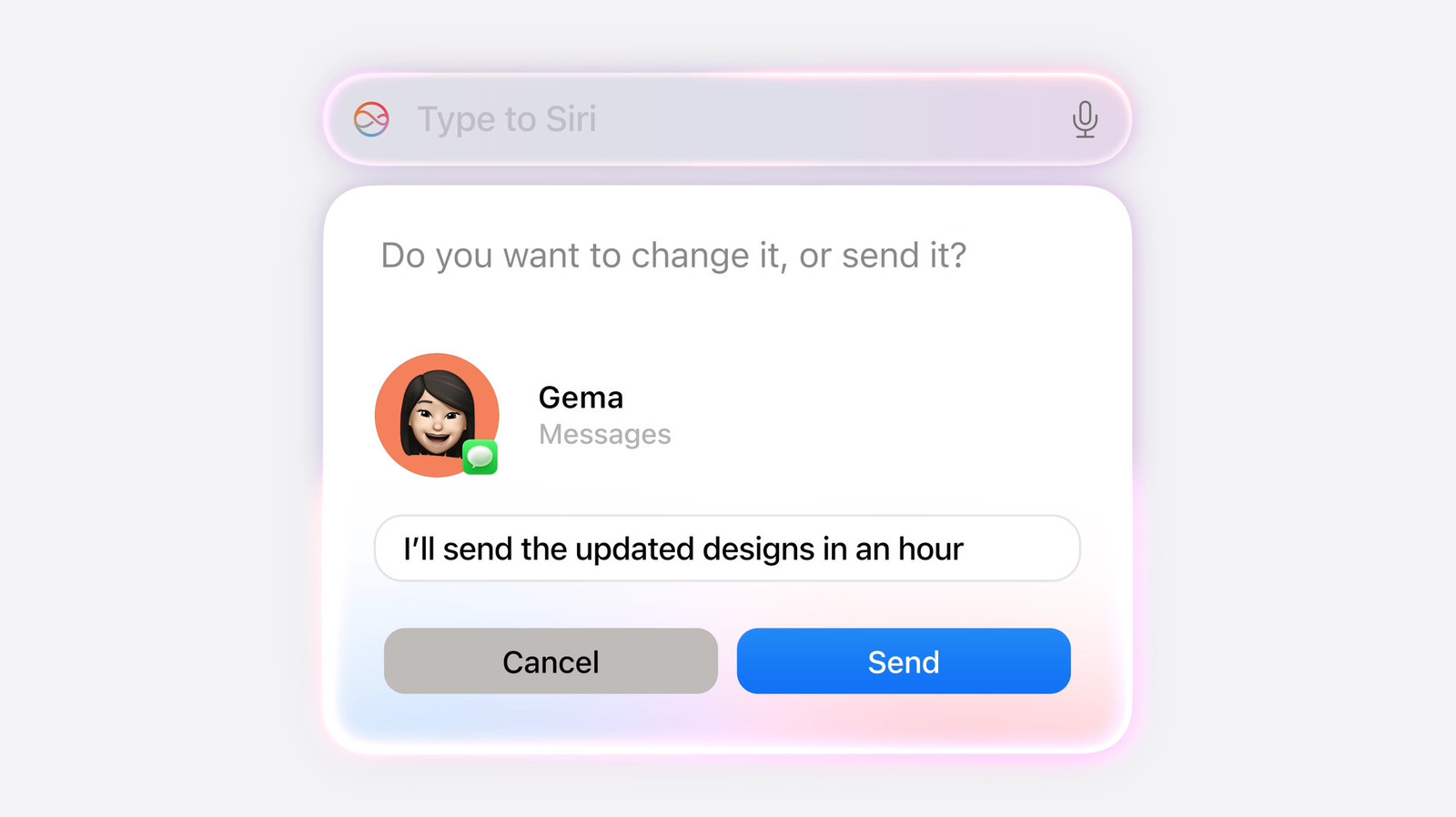
- Apple is set to introduce customizable chat retention settings for the new Siri, allowing users to auto-delete conversation logs after 30 days, one year, or never.
- The company is shifting away from relying on real-world user data for AI training, opting instead for synthetic data to enhance performance without compromising privacy.
- Apple’s strategy aims to integrate privacy into the core functionality of its AI, distinguishing its approach from competitors that treat secure modes as optional extras.
Revolutionizing the Conversational AI Landscape
As the artificial intelligence race intensifies, Apple is reportedly gearing up to unveil a revamped version of its virtual assistant, Siri, at the upcoming Worldwide Developers Conference (WWDC2026). According to recent reports from industry insider Mark Gurman, Apple’s strategy for its next-generation Siri centers on a bold commitment to user privacy that could fundamentally shift how we interact with LLMs.
Customizable Data Retention: Putting Users in Control
At the core of these updates is a highly anticipated chat management feature. Unlike many current AI chatbots that prioritize data harvesting to refine their algorithms, the new Siri is expected to offer granular control over conversation history. Users will reportedly be able to configure specific auto-deletion intervals for their chat logs, including options for:
- 30-day retention: Ideal for users who want brief history access without long-term storage.
- One-year retention: A balanced middle ground for maintaining context over time.
- Permanent storage: For users who prefer a comprehensive record of their interactions.
Furthermore, Apple plans to introduce a toggle that dictates whether a new Siri session launches with the context of previous conversations or initiates a completely ‘fresh’ state. This level of autonomy ensures that the AI remains a utility rather than an intrusive data-gathering engine.
Privacy vs. Performance: The Synthetic Data Strategy
The tech industry has long grappled with the trade-off between AI training efficacy and personal privacy. Most large language models (LLMs) rely heavily on mining user data to improve responsiveness and personalization. Apple, however, is taking a distinct, more restrictive path. By leveraging synthetic data generation—a technique that creates artificial datasets to train models—Apple aims to mitigate the reliance on real-world user interactions.
While this approach may lead to claims that Apple’s AI lacks the breadth of data seen in competitors, the company is positioning this as a strategic advantage. By baking privacy into the architecture rather than offering it as an ‘incognito’ toggle, Apple is reinforcing its brand identity as the guardian of user digital footprints.
Setting the Stage for WWDC2026
As the June 8 kickoff for WWDC2026 approaches, the expectations for Apple’s AI integration have reached a fever pitch. In an era where AI chat logs have increasingly become evidence in legal proceedings, Apple’s decision to prioritize ephemeral messaging mirrors its successful implementation in the Messages app. By choosing to treat privacy as an ingrained standard rather than an optional setting, Apple is signaling that the future of personal AI doesn’t have to come at the cost of personal security.