Apple’s Revamped Siri to Introduce Ephemeral Chat Features: A New Era for AI Privacy?

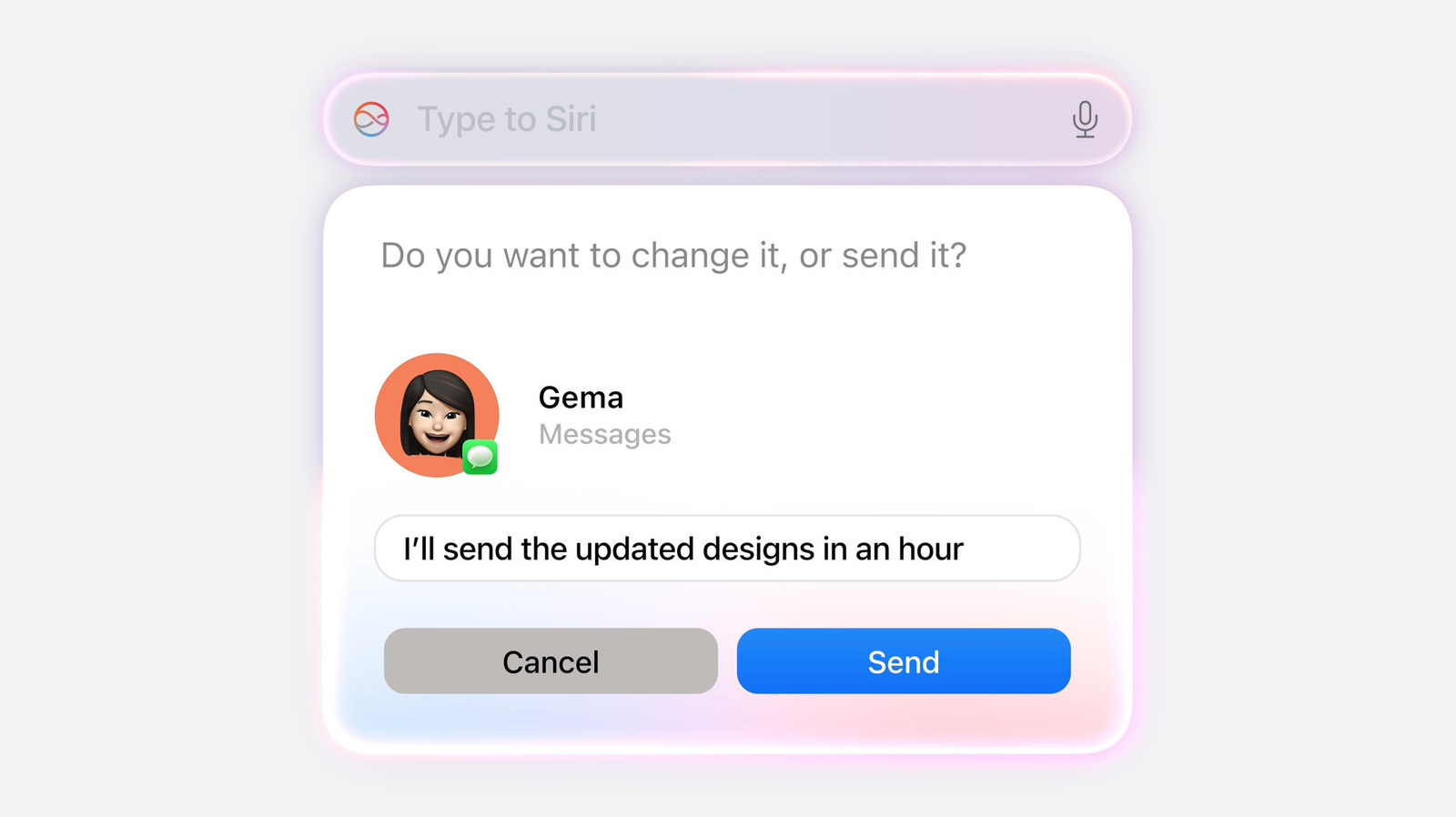
- Apple is set to introduce auto-deleting chat features for Siri, allowing users to choose between 30-day, one-year, or permanent storage options.
- The update will include a toggle to manage conversation context, enabling users to start fresh sessions or utilize previous interaction memory.
- Apple continues to prioritize privacy over data harvesting, reportedly training its models using synthetic data to minimize the reliance on sensitive, real-world user information.
Revolutionizing the Conversational AI Landscape
As the race for artificial intelligence supremacy intensifies, Apple is reportedly preparing a strategic pivot for its flagship virtual assistant. According to recent insights from Bloomberg’s Mark Gurman, the next iteration of Siri, expected to debut at WWDC 2026, will introduce robust privacy controls, including an auto-deleting chat feature. This move signals Apple’s continued commitment to user privacy, positioning it as a distinct alternative to the data-hungry AI models currently dominating the market.
Granular Control Over AI Interactions
The upcoming Siri update is expected to provide users with unprecedented agency over their data retention. Unlike current standard practices where conversational logs are often stored indefinitely to ‘improve model performance,’ the new Siri interface will reportedly feature settings to manage chat history systematically. Users will likely be able to toggle between three distinct retention periods:
- 30 Days: Ideal for users who want temporary context without long-term storage.
- One Year: A middle-ground solution for those balancing utility and privacy.
- Forever: For users who prefer to maintain an extensive history of their AI-assisted tasks.
Furthermore, Apple is set to introduce an ‘intelligent context’ toggle, allowing users to choose whether Siri launches with the memory of previous interactions or initiates a ‘clean slate’ session. This granular approach ensures that the AI’s memory footprint is explicitly controlled by the user, rather than the service provider.
Privacy-First AI: The Synthetic Data Advantage
A critical point of differentiation lies in Apple’s architectural approach to AI training. While competitors like OpenAI and Google often leverage vast troves of real-world user data to refine their Large Language Models (LLMs), Gurman notes that Apple is doubling down on synthetic data generation. By relying on simulated data rather than harvesting user logs, Apple aims to mitigate the security risks that have previously plagued rival platforms, such as the accidental disclosure of sensitive data in legal proceedings.
Setting the Standard for AI Ethics
For years, Apple has marketed ‘privacy’ as its core competitive moat. By embedding these features into the fabric of the Siri experience rather than relegating them to an optional ‘incognito’ mode, the company is making a calculated bet: that users will favor an AI that respects their digital boundaries over one that demands total data access to function. As we approach WWDC 2026 on June 8, the industry will be watching closely to see if Apple’s privacy-first philosophy can provide the necessary edge to reclaim its status as a leader in the generative AI space.