Siri AI vs. Gemini: A Technical Deep Dive into Apple and Google’s AI Paradigms

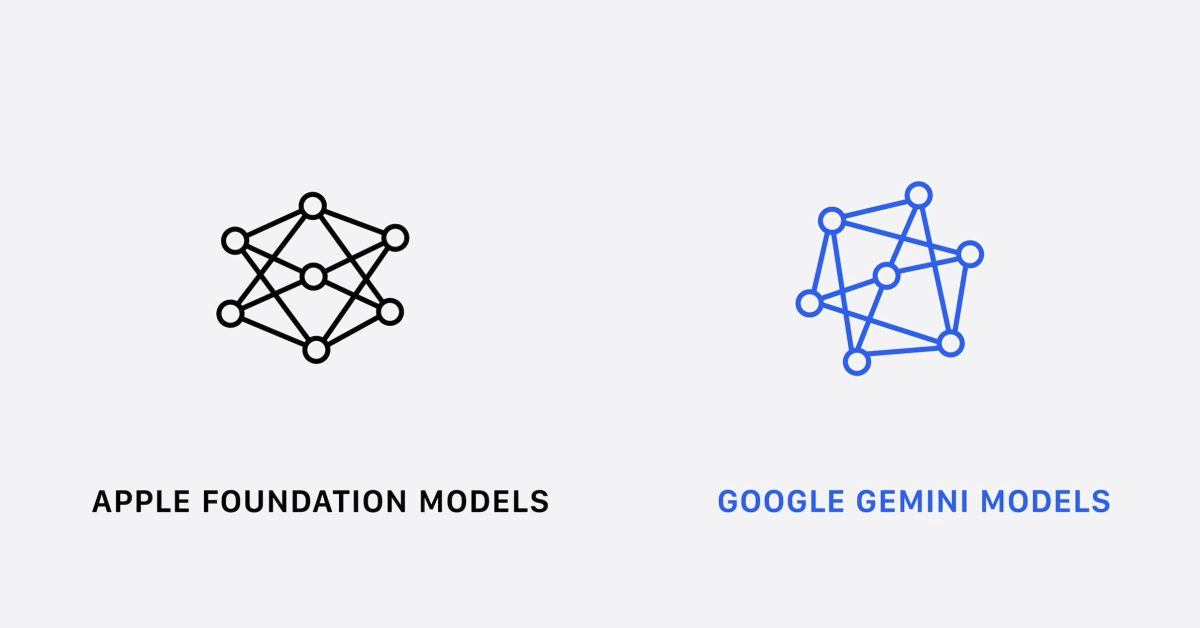
- Apple has integrated Gemini-powered models into its new "Siri AI," enabling advanced reasoning, on-screen awareness, and complex app actions.
- The user experience differs in UI design, with Apple utilizing the Dynamic Island for a more immersive, overlay-free interaction compared to Android's bottom-sheet approach.
- Both platforms are converging on agentic features, such as proactive call context and intelligent scheduling, though Apple focuses on deep OS-level integration and user-centric privacy.
The Evolution of Voice Assistants: Siri AI Meets Gemini
The landscape of mobile artificial intelligence has shifted dramatically following the announcements at WWDC 2026. With the introduction of “Siri AI,” Apple has officially embraced a multimodal future, leveraging the underlying power of Google’s Gemini family of models. For power users and tech enthusiasts, the question remains: how does Apple’s refined integration compare to Google’s mature Gemini ecosystem on Android?
Redefining Interaction: From Commands to Context
The transition from the legacy Siri to Siri AI mirrors Google’s evolution from Google Assistant to the standalone Gemini app. Both systems now prioritize “personal context understanding,” on-screen awareness, and fluid conversational capabilities. However, the user experience differs significantly in implementation:
- Interface Philosophy: While Gemini on Android typically occupies a bottom-sheet overlay, Apple utilizes the Dynamic Island. This provides a more integrated, “heads-up” interaction style that keeps users focused on their current tasks.
- Navigation: Apple’s approach to multi-modal input—combining physical button presses, voice, and touch—creates a cohesive ecosystem that feels native to the iOS hardware stack.
Visual Intelligence and Contextual Awareness
One of the most touted features of Siri AI is its camera integration. Much like Google Lens, Siri AI can parse visual data in real-time. Yet, Apple distinguishes its offering with a more “guided” user experience. Whether it is splitting a restaurant bill via Apple Cash or automatically syncing calendar events from a photo of a schedule, Siri AI acts as an agentic assistant rather than just a visual search tool.
Browser-Level Innovation: Safari vs. Chrome
Browser integration has become a primary battleground for generative AI. Safari’s new capabilities, such as automated tab organization and the “Notify Me” function, showcase a proactive approach to web browsing. While Google Chrome has explored similar features, Apple’s focus on privacy-centric, on-device intelligence for password management and custom extension generation offers a unique value proposition for its users. The ability to generate custom extensions simply by describing them in natural language is a major leap toward truly personalized web experiences.
The Convergence of Capabilities
Both ecosystems are rapidly reaching feature parity. Features like “Call Context,” which surfaces relevant data during active phone calls, are present in both the Apple and Google environments. However, the true differentiator lies in the “Apple Intelligence” architecture, which places a heavy emphasis on localized, on-device processing to maintain privacy while delivering the advanced reasoning capabilities afforded by the Gemini models.
As these two tech giants continue to iterate, the gap between “Assistant” and “Agent” is closing. For users, the choice between Siri AI and Gemini is increasingly becoming a choice between two different user experience philosophies rather than a divide in raw intelligence.