Foldable iPhone Breakthrough: iOS 27 Beta Code Reveals Hidden ‘Ultra’ Features

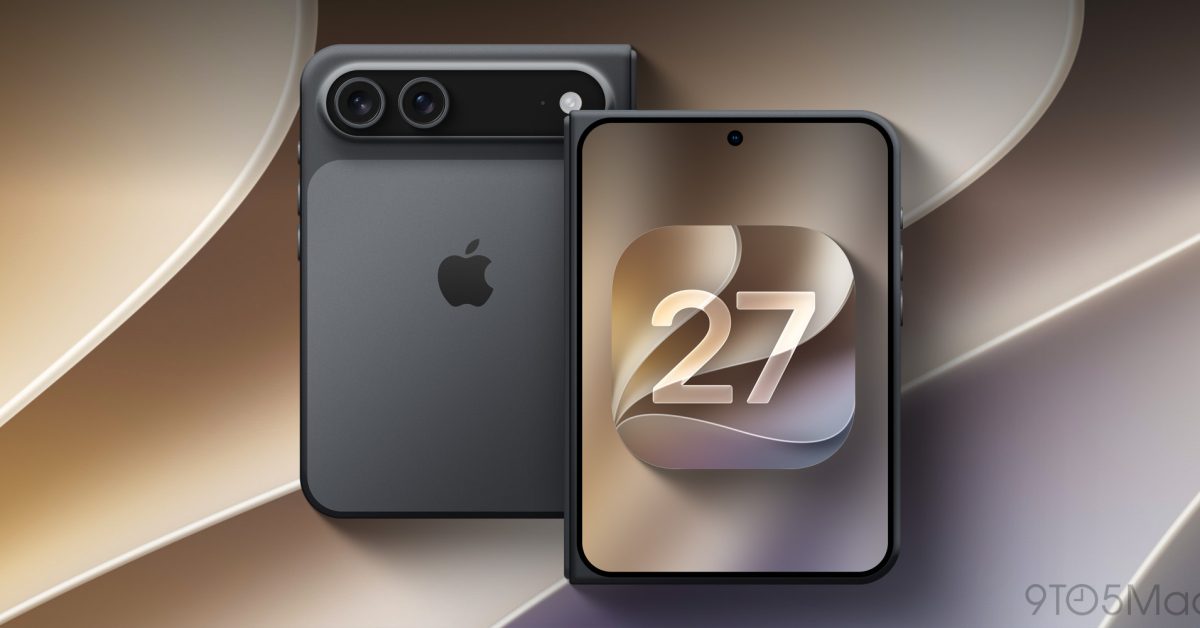
- iOS 27 developer beta code contains explicit references to a 'foldable' device, including 'foldState' and hinge angle tracking.
- The code introduces new hardware-level queries for multiple displays, confirming the existence of the upcoming iPhone Ultra.
- The device will reportedly feature iPad-like multitasking and side-by-side app capabilities to maximize the foldable form factor.
The Foldable Future: Apple’s iOS 27 Code Unveiled
The tech landscape is buzzing following the release of the first iOS 27 developer beta, which has inadvertently confirmed long-standing rumors regarding Apple’s foray into the foldable smartphone market. While Apple has remained characteristically tight-lipped, the software infrastructure integrated into this latest update provides the clearest evidence yet that an ‘iPhone Ultra’—a foldable device—is not only in active development but nearing its official launch.
Decoding the Clues: ‘foldState’ and Hardware Specs
Software sleuths, including industry analyst Sam Henri Gold, have discovered explicit references within the iOS 27 frameworks that do not correspond to any existing iPhone hardware. These code snippets include specific parameters such as foldState and angleDegrees, which are indicative of a device capable of measuring its own hinge position. Furthermore, the code includes a new MG key designed to query the total count of built-in displays, a feature inherently useless for current single-screen iPhone models but essential for a dual-display or foldable foldable form factor.
These references were notably absent from iOS 26, suggesting that the underlying software architecture is being specifically tuned to support a sophisticated, foldable UI environment.
What to Expect from the iPhone Ultra
The integration of these features points toward a major paradigm shift for the iPhone lineup. Expected to debut later this year, the iPhone Ultra is rumored to introduce:
- Advanced Multitasking: Native support for side-by-side app operation, leveraging the expanded screen real estate.
- Adaptive Layouts: An interface inspired by iPadOS, allowing for dynamic scaling as the device transitions between folded and unfolded states.
- Display Synergy: Intelligent power and UI management for multiple integrated panels.
By bringing these capabilities to the iOS ecosystem, Apple is clearly preparing for a flagship device that bridges the gap between the portability of a smartphone and the productivity of a tablet.
The Path Forward
As the developer beta cycle progresses, we can expect more granular details to emerge regarding how iOS 27 handles the physical constraints of a foldable chassis. For developers, this represents a new frontier, necessitating a shift toward responsive app design that can gracefully adapt to varying hinge angles and resolutions. As we count down to the public release this fall, the iPhone Ultra appears to be the most significant hardware evolution in Apple’s recent history.