Hardware Divide: Apple’s Most Advanced iOS 27 AI Models Demand 12GB RAM


- iOS 27 introduces a high-tier on-device AI model requiring 12GB of RAM for optimal performance.
- Supported devices are limited to the iPhone 17 Pro/Air, M4 iPads, and M3 Macs (or newer).
- Users on devices with 8GB of RAM will still have access to AI features, but these will be routed through the slower Private Cloud Compute rather than running locally.
The New Frontier of Apple Intelligence
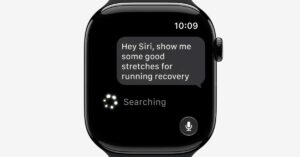
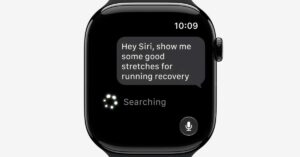
During the recent WWDC 2026 keynote, Apple showcased the next evolution of its AI suite, iOS 27. While the update brings significant enhancements to Siri and the broader Apple Intelligence ecosystem, a critical distinction has emerged regarding hardware compatibility. The most potent on-device AI models in this iteration will be exclusive to high-end hardware, signaling a shift in Apple’s strategy toward memory-intensive computing.
The 12GB RAM Threshold
At the heart of this hardware limitation is system memory. While previous iterations of Apple Intelligence functioned on devices equipped with 8GB of RAM, the most sophisticated on-device AI capabilities in iOS 27 now require a minimum of 12GB of memory. This technical threshold effectively creates a performance tier system that favors Apple’s Pro-level and newest hardware.
According to the latest announcements, users will need specific devices to run these advanced models locally:
- iPhone: iPhone 17 Pro and iPhone Air models.
- iPad: M4-powered iPads (and later models) equipped with at least 12GB of RAM.
- Mac: M3-series chips (and later) with 12GB of integrated memory.
What This Means for the Standard iPhone 17
Perhaps the most significant revelation is that the base model iPhone 17 has been excluded from supporting these flagship on-device features. Despite the hardware’s modern processing capabilities, the decision to retain 8GB of RAM in the standard model renders it ineligible for the most intensive local AI tasks. This represents a strategic divergence from previous software rollouts where flagship features were more broadly supported across the lineup.
The Role of Private Cloud Compute
For those using devices that do not meet the 12GB memory requirement, functionality is not entirely lost. Apple is continuing its investment in Private Cloud Compute, which handles complex AI requests off-device. While these tasks will remain private and secure, users should expect higher latency compared to the near-instantaneous processing provided by the on-device models found on the iPhone 17 Pro or iPhone Air.
As AI becomes a central pillar of the iOS experience, this shift suggests that memory capacity will become the primary differentiator for future hardware upgrades in the Apple ecosystem.