macOS Golden Gate Compatibility: Apple Officially Ends Intel Mac Support

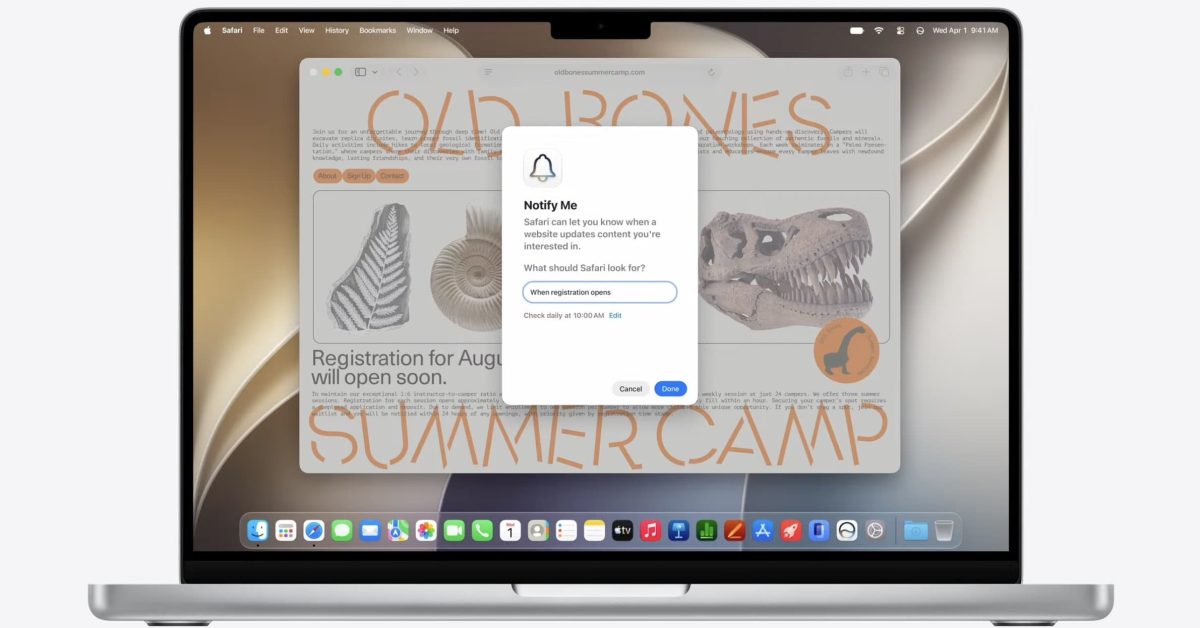
- Apple has officially dropped support for all Intel-based Macs with the release of macOS Golden Gate.
- The new OS is exclusively available for Macs running Apple Silicon (M-series chips).
- Legacy Intel Macs will remain on macOS Tahoe with continued security updates, but they will not receive new feature-rich OS upgrades.
The End of an Era: macOS Golden Gate Goes Exclusive to Apple Silicon
At the 2026 Worldwide Developers Conference (WWDC), Apple officially pulled back the curtain on its latest operating system iteration: macOS Golden Gate. While the keynote was packed with new software features and productivity enhancements, the biggest takeaway for the enthusiast community is the company’s definitive shift toward a pure Apple Silicon ecosystem.
Following last year’s release of macOS Tahoe, which served as the final bridge for legacy hardware, Apple has now confirmed that macOS Golden Gate is entirely incompatible with Intel-based Mac models. For users relying on older architecture, this update marks the final chapter in software support as Apple doubles down on its proprietary silicon architecture.
Full List of Compatible Mac Models
To run macOS Golden Gate, your machine must feature an Apple Silicon chip (M-series). Below is the complete list of supported hardware:
- MacBook Neo (2026)
- MacBook Air: All Apple Silicon models (2020 and later)
- MacBook Pro: All Apple Silicon models (2020 and later)
- iMac: All Apple Silicon models (2021 and later)
- Mac mini: All Apple Silicon models (2020 and later)
- Mac Studio: All models (2022 and later)
- Mac Pro: All Apple Silicon models (2023 and later)
What This Means for Legacy Intel Users
With this transition, four notable models that received support for macOS Tahoe are now officially discontinued from receiving further major OS upgrades:
- 16-inch MacBook Pro (2019)
- 13-inch MacBook Pro (2020, Four Thunderbolt 3 ports)
- iMac (2020)
- Mac Pro (2019)
If you are currently operating one of these legacy machines, do not worry about immediate obsolescence. Apple is expected to maintain security patches for macOS Tahoe for the foreseeable future. However, if you want to leverage the cutting-edge features, AI integrations, and optimized performance found in Golden Gate, an upgrade to a newer Apple Silicon Mac will be necessary.
The move represents a strategic pivot for Apple, allowing the engineering teams to optimize the macOS codebase specifically for the efficiency and performance capabilities of the M-series chips, leaving behind the constraints of the legacy x86 architecture.