Apple Revamps Siri: A New Dedicated App and Advanced AI Integration

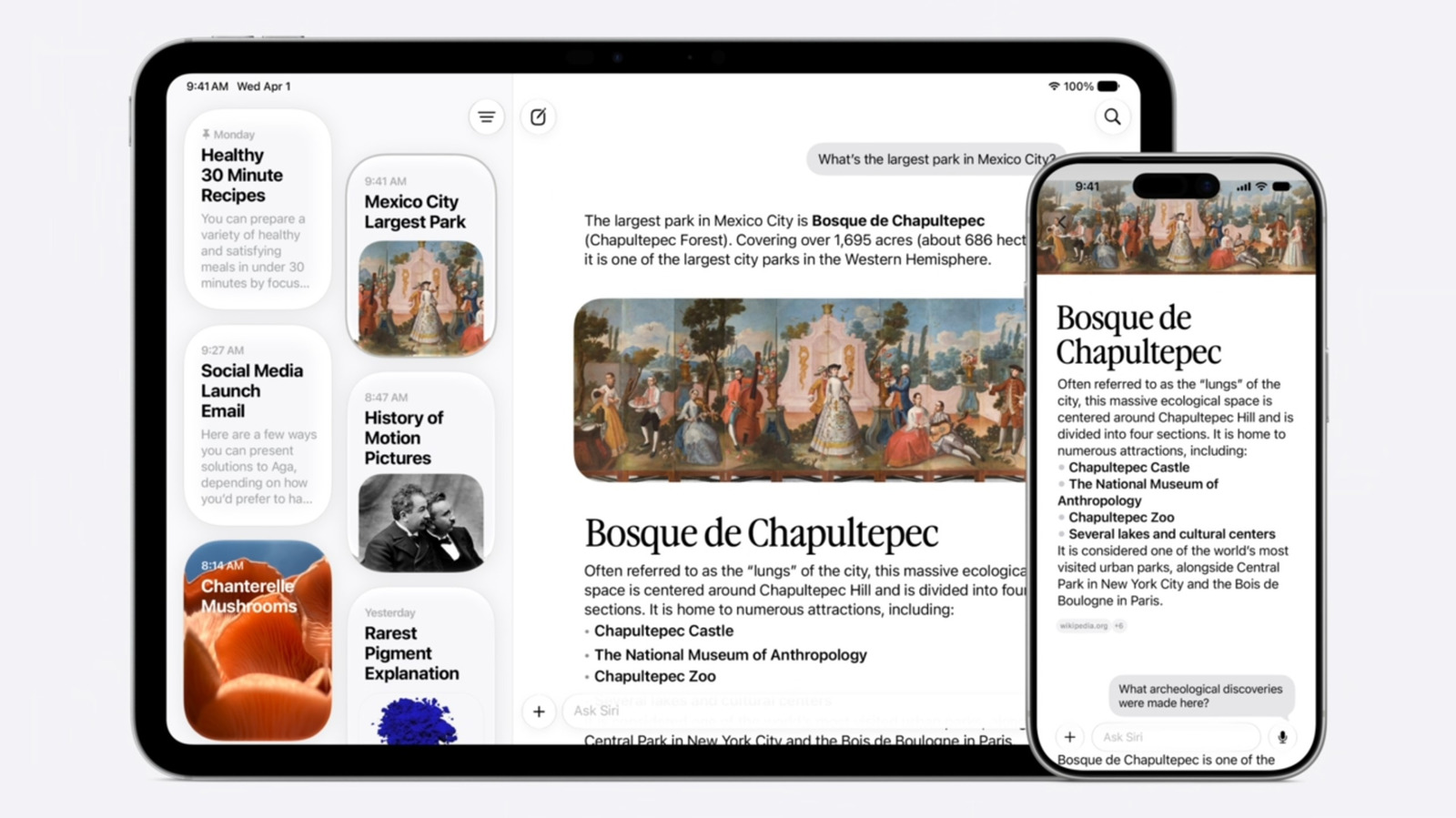
- Apple is launching a dedicated, standalone Siri app that offers a full-scale, conversational chatbot experience.
- The new assistant gains screen-awareness and camera integration, allowing it to analyze images and real-world objects in real-time.
- The upgraded Siri features will initially arrive in the U.S. later this year, with global expansion planned for subsequent updates.
The Next Evolution of Apple’s Digital Assistant
For years, Apple’s Siri has faced criticism for lagging behind the sophisticated capabilities of rivals like Google Gemini, OpenAI’s ChatGPT, and Anthropic’s Claude. At WWDC 2026, Apple finally addressed these concerns head-on, unveiling a comprehensive overhaul of its digital assistant designed to bring true generative AI capabilities to the ecosystem.
A Unified and Smarter Interaction Model
The updated Siri experience begins with a redesigned UI. While users can still invoke the assistant via voice commands or the physical power button, Siri now seamlessly emerges from the Dynamic Island. Furthermore, Apple has introduced a new gesture-based search box—accessible by swiping down from the top center of the screen—allowing users to toggle between voice and text-based inputs effortlessly.
The Introduction of the Standalone Siri App
Perhaps the most significant shift is the introduction of a dedicated standalone Siri application for iOS, iPadOS, and macOS. This move transitions Siri from a simple task-automation tool into a powerful, conversational chatbot. Key features of the new app include:
- Chat History Syncing: Your previous queries and conversational threads are now synced across all your Apple devices via iCloud.
- Enhanced Visual Output: The app provides a dedicated canvas for detailed text cards, multimedia, and complex responses that require more screen real estate.
- Advanced Reasoning: By leveraging upgraded intelligence—reportedly including Gemini integration—Siri can now handle complex, multi-step queries with greater accuracy.
Computer Vision and On-Screen Awareness
The new Siri isn’t just listening; it’s seeing. The assistant now possesses deep integration with the device’s camera and system-level screen awareness. This allows the AI to identify objects in real-time or analyze content displayed on your screen to perform actionable tasks. This functionality extends to visionOS on the Apple Vision Pro, where users can leverage spatial computing to ask Siri for real-time measurements and product insights.
Availability and Future Rollout
Apple has confirmed that these AI-driven features will debut in the United States later this year. While the initial launch is region-locked to the U.S., Apple is actively working to comply with international regulations to bring these intelligence features to Europe, China, and beyond in future software updates. As the landscape of generative AI shifts, Apple’s commitment to a more capable, privacy-focused assistant marks a pivotal turning point for the company’s software strategy.