Google Bolsters Android Security: New AI-Powered Scam Detection Protects Against Impersonation

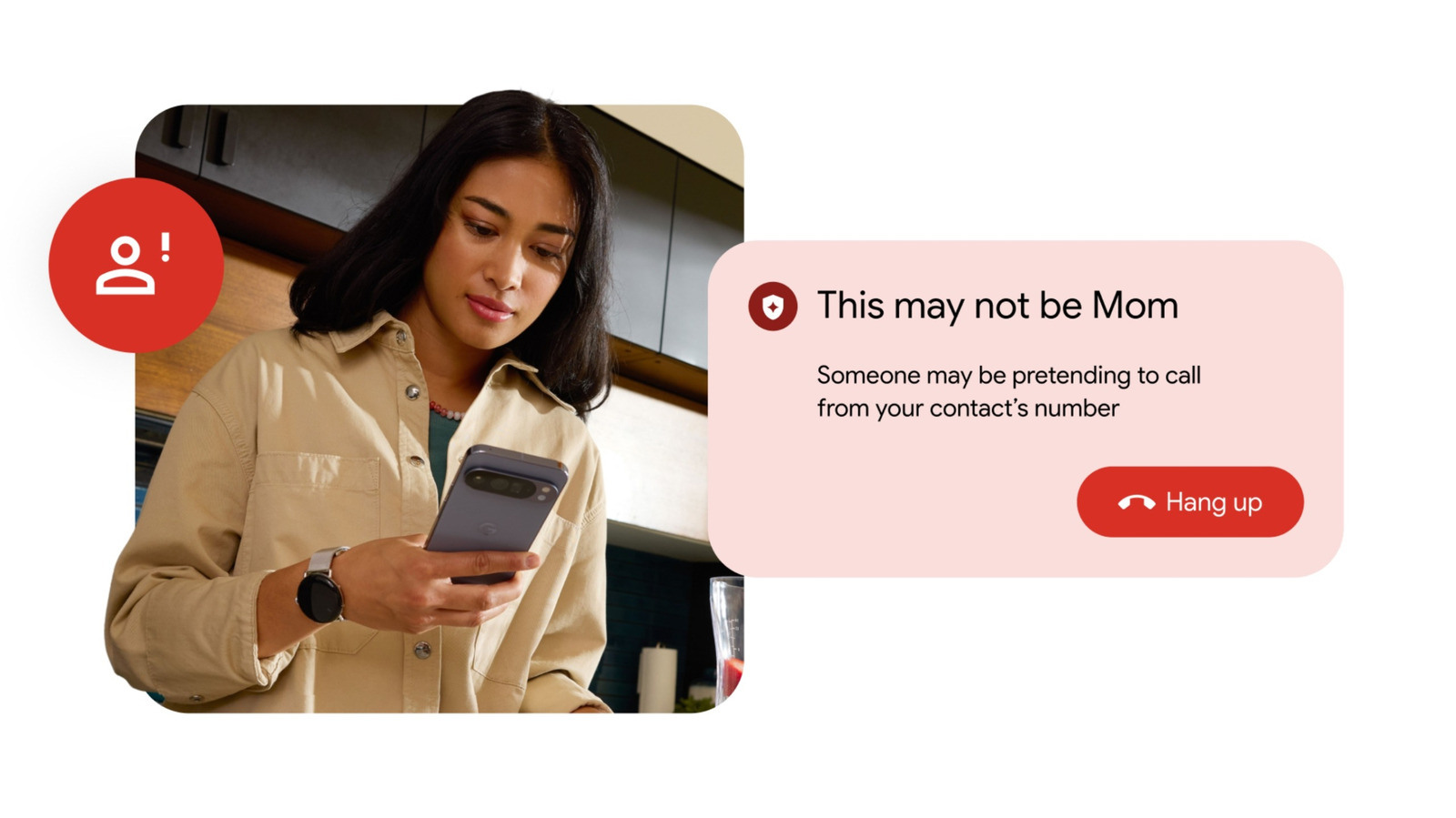
- Google has introduced a new anti-impersonation feature for Android that uses RCS encryption to verify the identity of callers in real-time.
- The update includes a 'digital handshake' protocol to flag suspicious calls that fail to verify against a user's contact list.
- The rollout also features AI-powered updates for Google Photos, Play Books, and expanded accessibility for the Personal Safety app.
Revolutionizing Call Security on Android
As digital threats evolve, Google is taking a significant step forward in securing the mobile ecosystem. Ahead of the anticipated Android 17 launch, the tech giant has introduced a sophisticated layer of protection within its Phone app designed to thwart impersonation scams. By leveraging real-time verification, Android is now better equipped to identify when a caller is pretending to be someone from your contact list.
How the New ‘Digital Handshake’ Works
Google’s enhanced scam detection goes beyond traditional filtering. The system utilizes a silent, end-to-end encrypted ‘digital handshake’ via Rich Communication Services (RCS). When a contact calls you, both devices exchange a real-time verification signal. If the incoming call fails to produce this cryptographic confirmation, the Google Phone app flags the interaction, warning the user that the caller may be an imposter.
- End-to-End Encryption: Ensures that the verification process remains private and secure between devices.
- Device Compatibility: The feature is available for devices running Android 12 and newer that utilize the native Google Phone app.
- Proactive Prevention: Alerts are triggered instantly, allowing users to terminate suspicious calls before sensitive information is compromised.
Expanding AI Capabilities Across the Ecosystem
Security is only one piece of the puzzle. Google is also weaving advanced AI into several core Android applications to improve daily productivity and user experience:
- Google Photos ‘Wardrobe’: An innovative cataloging tool that tracks your clothing items across your photo library, offering virtual try-on suggestions. This feature is currently rolling out to users in the US, India, and Brazil.
- Google Play Books AI Recap: Readers can now highlight sections of text to receive contextual summaries and insights, making it easier to track complex narratives or research-heavy topics.
- Enhanced Circle to Search: The search tool has been upgraded to recognize and identify multiple objects within a single image, expanding its utility for shopping and informational queries.
Prioritizing Youth Safety and Connectivity
In addition to these updates, Google is prioritizing digital accessibility for younger users. The company is opening up its Personal Safety app to users under 13, enabling them to store essential medical information on their lock screen and access critical features like car crash detection. Furthermore, Google continues to refine its ecosystem interoperability, with Quick Share receiving updates to better bridge the gap between Android and third-party file-sharing standards.
These updates reinforce Google’s commitment to building a smarter, safer, and more intuitive Android experience. By integrating high-level security protocols with practical AI assistants, Google is ensuring that the upcoming Android 17 cycle will be defined by both protection and performance.