Google Bolsters Android Security with AI-Powered Fake Call Detection

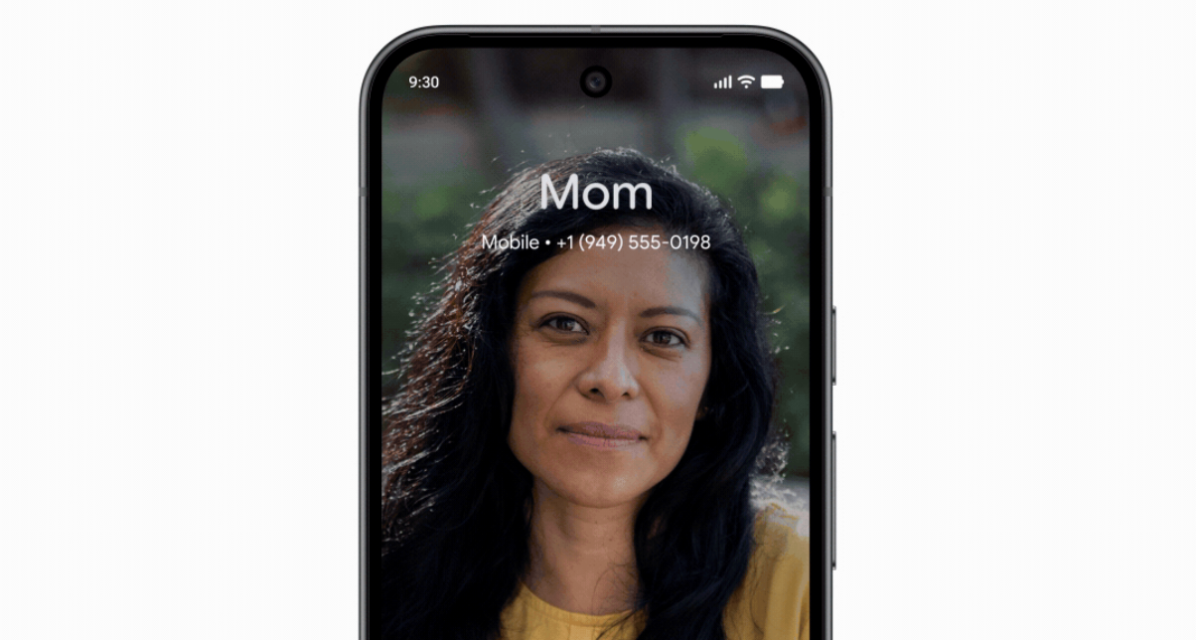
- Google has introduced a new AI-powered 'fake call detection' feature for Android to combat deepfake voice impersonation scams.
- The system uses a 'digital handshake' over RCS technology to verify if an incoming call is genuine or a spoofed attempt.
- The feature is rolling out on by default for Android 12+ devices, starting with Pixel phones, and aims to flag potential scams in real-time.
Combating the Rise of AI Voice Spoofing
As artificial intelligence technology becomes more accessible, cybercriminals are increasingly leveraging deepfake audio to orchestrate sophisticated social engineering scams. By cloning the voices of trusted family members, employers, or authority figures, scammers are bypassing traditional skepticism regarding unknown numbers. To combat this growing threat, Google has officially introduced a groundbreaking fake call detection feature for its Android ecosystem.
How the ‘Digital Handshake’ Works
Rolling out globally to Android 12+ devices—starting with the Pixel lineup—this new security layer functions silently in the background. Google describes the mechanism as a sophisticated “digital handshake” between devices. The system utilizes Rich Communication Services (RCS) to verify the authenticity of incoming calls in real-time.
- Verification Signal: When a contact calls you via the ‘Phone by Google’ app, their device sends a silent verification signal to your handset.
- Anomaly Detection: If a scammer attempts to impersonate your contact, the expected verification handshake fails to materialize.
- Automated Ping: Upon missing the signal, your device immediately queries the actual device associated with that contact. If the device confirms no outgoing call is in progress, your phone displays an urgent warning, advising you to hang up.
A Scalable Security Standard
By building this feature atop RCS infrastructure, Google is creating a foundation that can potentially be adopted by other telecommunications providers and third-party applications. This represents a significant shift from passive call-blocking—which relies on blacklists—to active, real-time identity verification. This approach is essential in an era where AI can synthesize human speech with frightening accuracy, making context-based screening more reliable than caller ID alone.
More Than Just Security
While the focus remains on user safety, Google’s latest Android update also includes enhancements to user experience. The ‘Circle to Search’ tool has been upgraded to scan entire outfits, allowing users to identify and shop for clothing ensembles in a single motion. Additionally, Google Play Books is introducing a ‘Catch me up’ feature, which provides AI-generated story recaps, ensuring readers can easily re-engage with their books after a hiatus.
These updates reinforce Google’s ongoing commitment to integrating AI into the Android interface not only for utility but for fundamental digital protection. As these rollouts continue throughout the month, Android users are encouraged to ensure their Phone app is updated to the latest version to benefit from these protective measures.